Can LASIK Treat Myopia and Hyperopia?
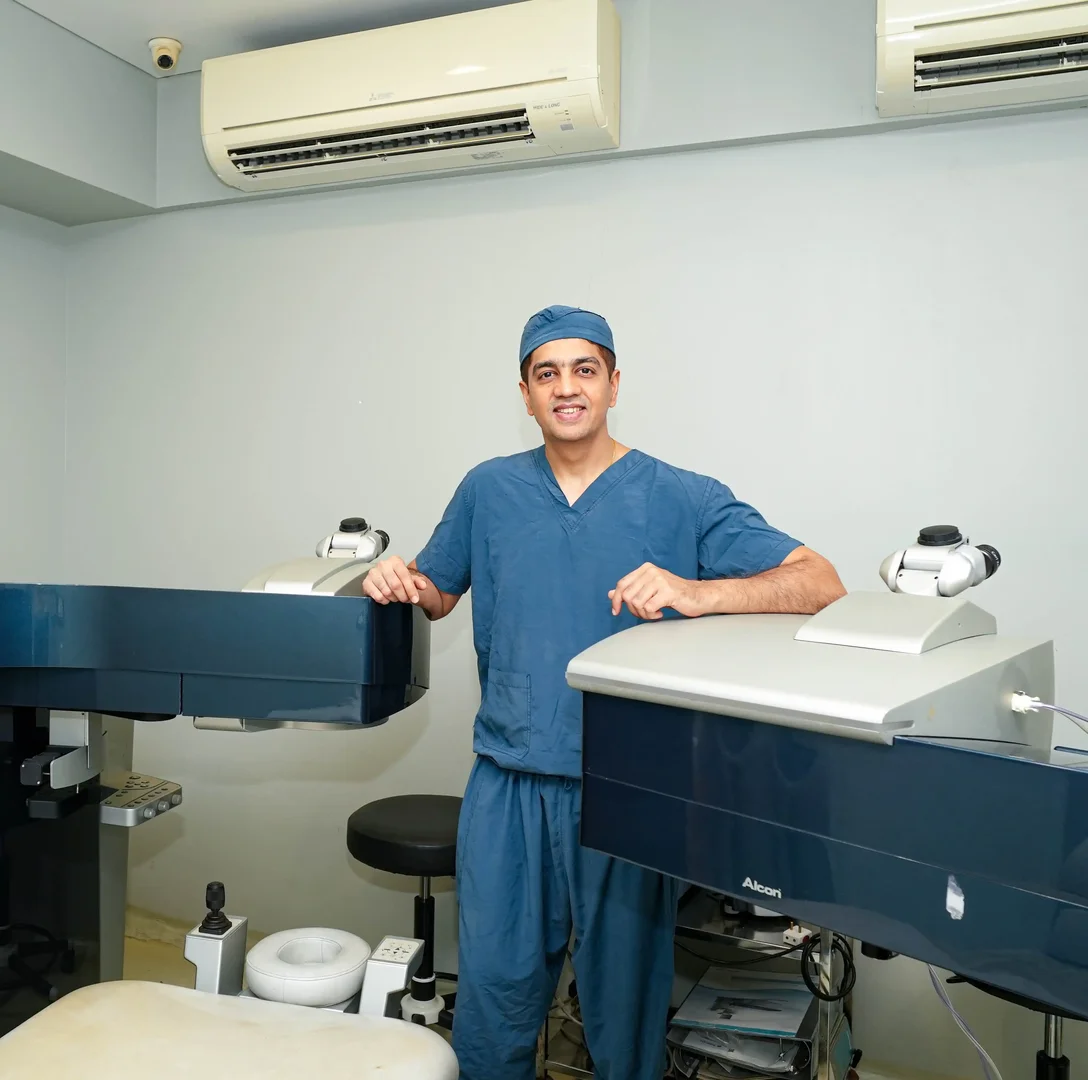
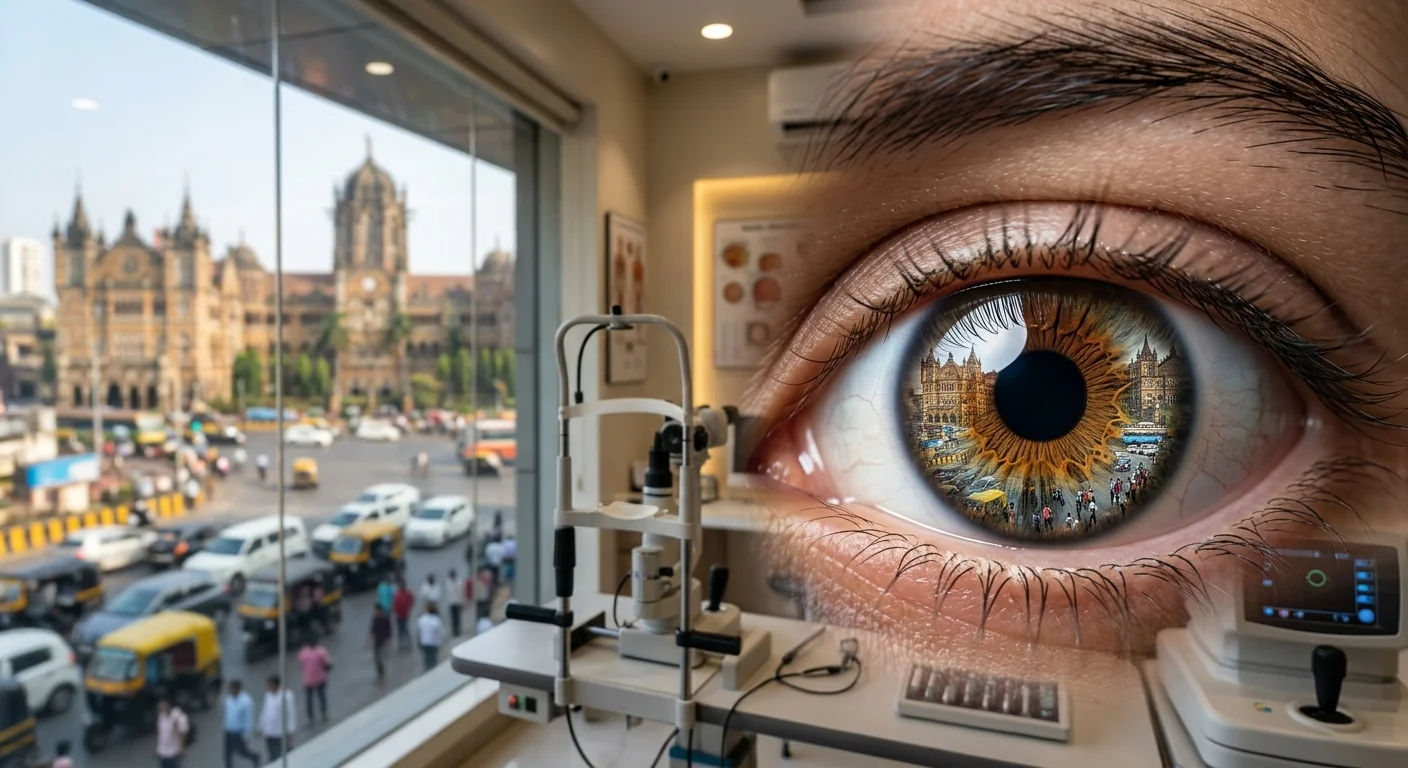
How LASIK Corrects Different Powers
Myopia Outcomes
Hyperopia Outcomes
Eligibility Factors
- Stable number
- Healthy cornea and topography
- Adequate tissue reserve
- No uncontrolled dry eye
- Realistic expectations with age-related near vision changes
What About Very High Power?
Quality of Vision Matters
Counseling Before Decision
Want our latest updates?
Add iSight Eye Care as a preferred source on Google to see our newest articles in your Top Stories and AI Overviews.
Dr. Nikhil Nasta
Dr. Nikhil Nasta is the Founder & Lead Surgeon at iSight Eye Care. With over two decades of experience, he specializes in advanced cataract surgery and comprehensive eye care, dedicated to restoring vision and improving patients' quality of life.
Related articles
Best LASIK Surgery in Mumbai – Choosing the Right Eye Surgeon
Mumbai offers world-class LASIK and laser eye surgery options—Contoura, SMILE, PRK, and ICL are all available. The best eye doctor in Mumbai is one who matches your eye condition with the safest treatment.
Is LASIK Safe After the Age of 40?
According to Dr. Nikhil Nasta of I-Sight Eye Care, LASIK can be safe after 40, but candidacy depends on eye power stability, corneal health, and dry eye status.
LASIK Surgery in Bandra
If you are searching for LASIK surgery in Bandra, you are not alone. Bandra has become one of Mumbai’s most sought after areas for advanced eye care.
LASIK in Khar & Laser Eye Surgery in Mumbai
Looking for safe and effective LASIK in Khar or laser eye surgery in Mumbai? Here’s everything you need to know about eligibility, cost, procedure, and recovery.
Frequently Asked Questions
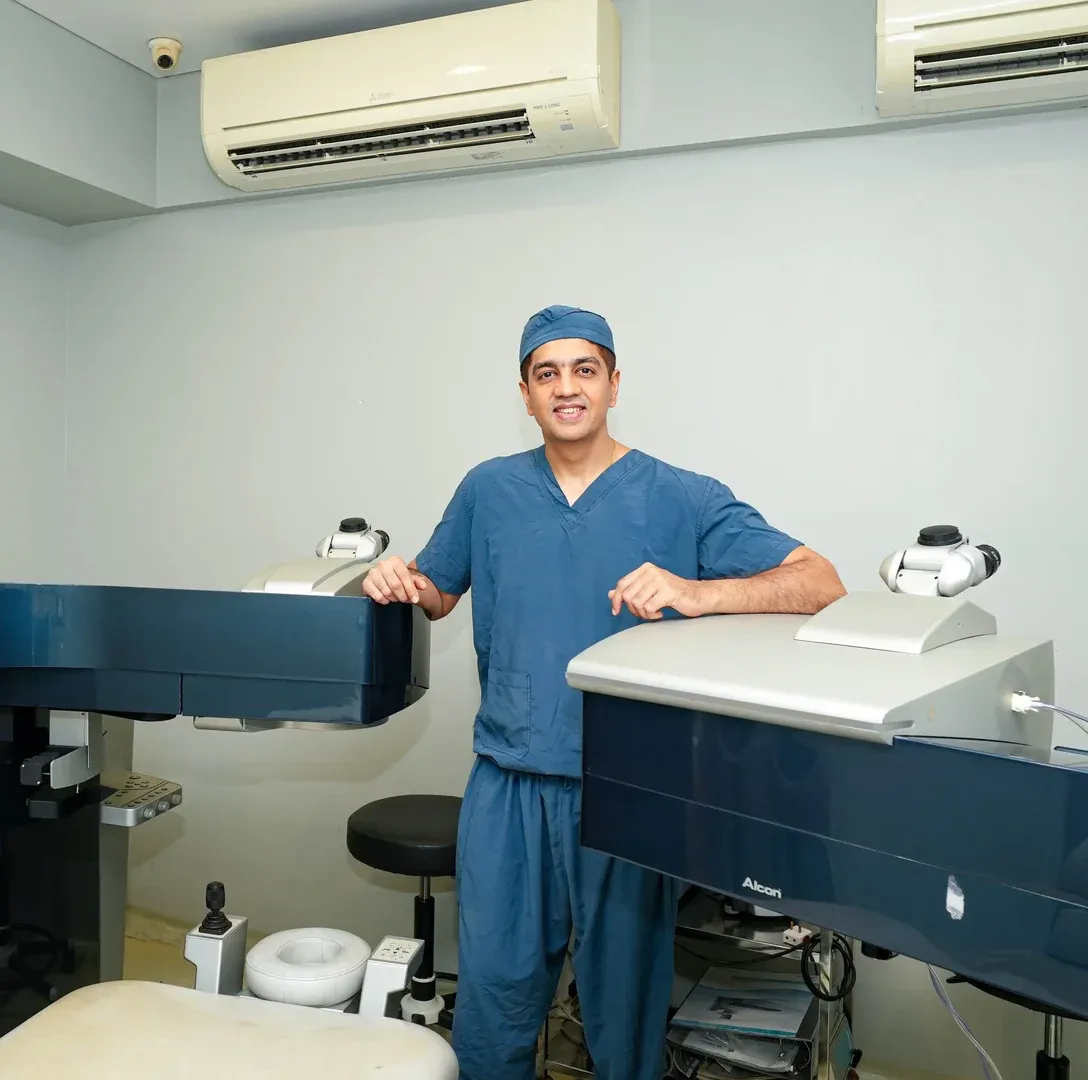
Book an appointment with Dr. Nikhil Nasta
Khar & Dadar · NABH accredited
Disclaimer: This information is for educational purposes only. Individual cases vary; consult a specialist for personalized advice.