
Dry Eye Treatment in Mumbai – Causes & Modern Relief
Key Takeaways
- Dry eye disease (DED) occurs when your eyes don’t make enough quality tears, or the tears evaporate too fast.
- It’s one of the most common eye concerns in Mumbai, especially due to screens, AC use, and pollution.
- At I-Sight Eye Care, diagnosis includes advanced tests like meibography, tear film breakup time, and ocular surface analysis.
- Treatments range from medicated drops and punctal plugs to in-clinic procedures like IRPL, warm lid therapy, and tear film optimization.
- Lifestyle changes — better blinking, screen breaks, hydration, and humidity are key for lasting relief.
Introduction
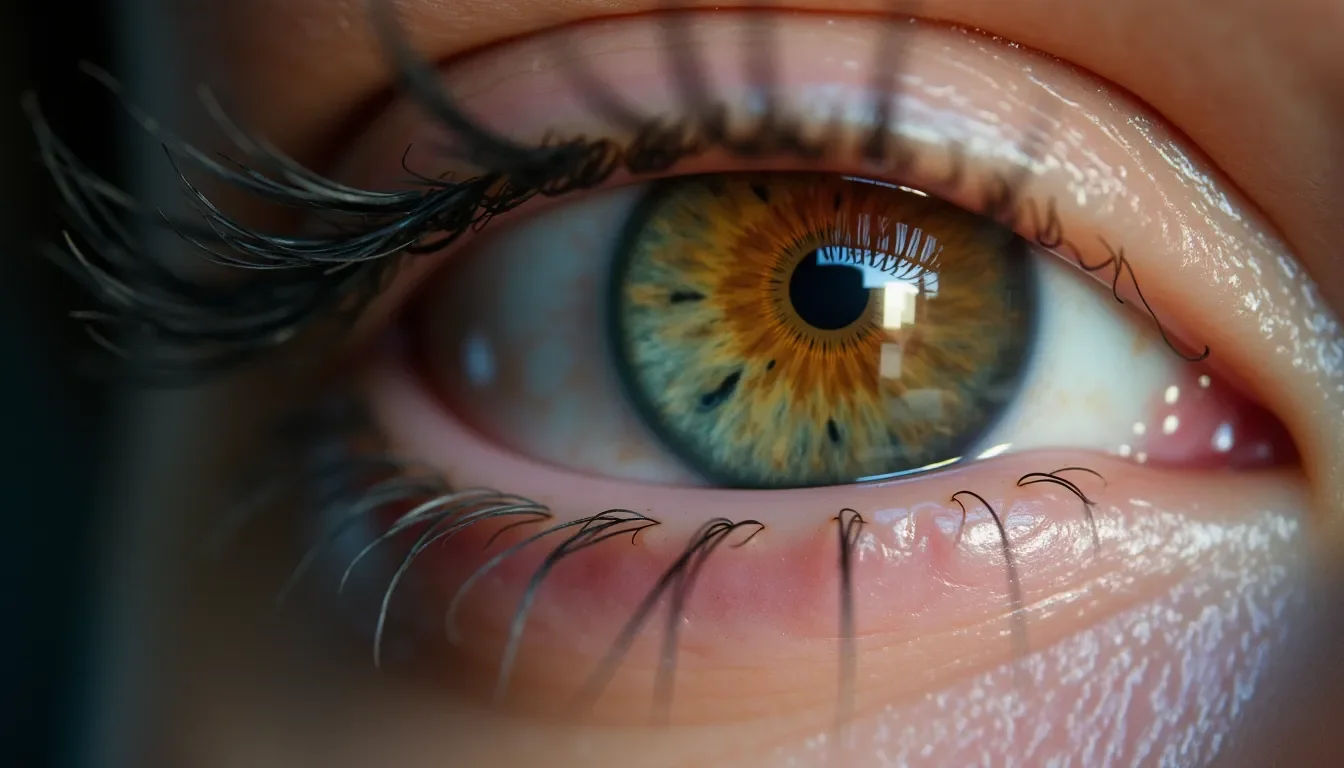
What Exactly Is Dry Eye Disease?
Two Main Types:
- Aqueous-deficient dry eye: tear glands don’t produce enough moisture.
- Evaporative dry eye: Meibomian (oil) glands are blocked, leading to unstable tears.
Why It’s So Common in Mumbai
- Long hours on screens (reduced blink rate)
- Constant air-conditioning and low humidity
- Pollution and dust exposure
- Post-surgery dryness (after LASIK or cataract)
- Contact lens wear or hormonal changes
- Certain medications or autoimmune conditions
Symptoms to Watch Out For
- Burning, grittiness, or foreign-body sensation
- Tired, heavy, or watery eyes
- Blurred or fluctuating vision
- Sensitivity to light (photophobia)
- Redness or stringy mucus
- Difficulty wearing contact lenses
- Increased tearing (yes, even that can be dry eye!)
How We Diagnose Dry Eye at I-Sight Eye Care
- Tear Film Break-Up Time (TBUT) – measures how long tears stay stable.
- Schirmer’s Test – checks tear production.
- Meibography – scans Meibomian glands for blockage or loss.
- Ocular Surface Staining – shows microscopic surface damage.
- Tear Osmolarity & Lipid Quality Analysis – assesses tear chemistry.
Treatment Options for Dry Eye
Foundation: Lifestyle & Home Care
- Blink consciously – every 20 minutes, look away from your screen and blink slowly.
- Follow the 20-20-20 rule – every 20 minutes, look 20 feet away for 20 seconds.
- Avoid direct AC or fan airflow on your face.
- Stay hydrated and use preservative-free artificial tears regularly.
- Warm compresses & lid hygiene (twice daily) for oil gland health.
Medical Therapies
- Lubricating drops & gels for moisture balance.
- Anti-inflammatory eye drops (Cyclosporine or Lifitegrast) to calm inflammation.
- Omega-3 supplements to improve tear quality.
- Punctal plugs to retain tears longer.
In-Clinic Treatments
- IRPL (Intense Regulated Pulsed Light): improves Meibomian gland activity, reduces inflammation, and increases natural tear lipid layer stability.
- Thermal gland expression: gentle heat & pressure to unclog oil glands.
- BlephEx™: cleans lid margins, removing biofilm and bacteria that aggravate dryness.
- Tear film restoration therapy: enhances lipid and mucin layers for long-term comfort.
Advanced & Surgical Interventions
- Permanent punctal occlusion: for severe dryness not relieved by plugs.
- Amniotic membrane therapy: for damaged ocular surfaces due to chronic inflammation or exposure.
Long-Term Relief Strategies
- Use humidifiers at work or home to balance air dryness.
- Avoid rubbing your eyes.
- Maintain regular eye check-ups for early detection.
- Prioritize quality sleep and balanced diet rich in omega-3s.
Conclusion
Want our latest updates?
Add iSight Eye Care as a preferred source on Google to see our newest articles in your Top Stories and AI Overviews.
Dr. Nikhil Nasta
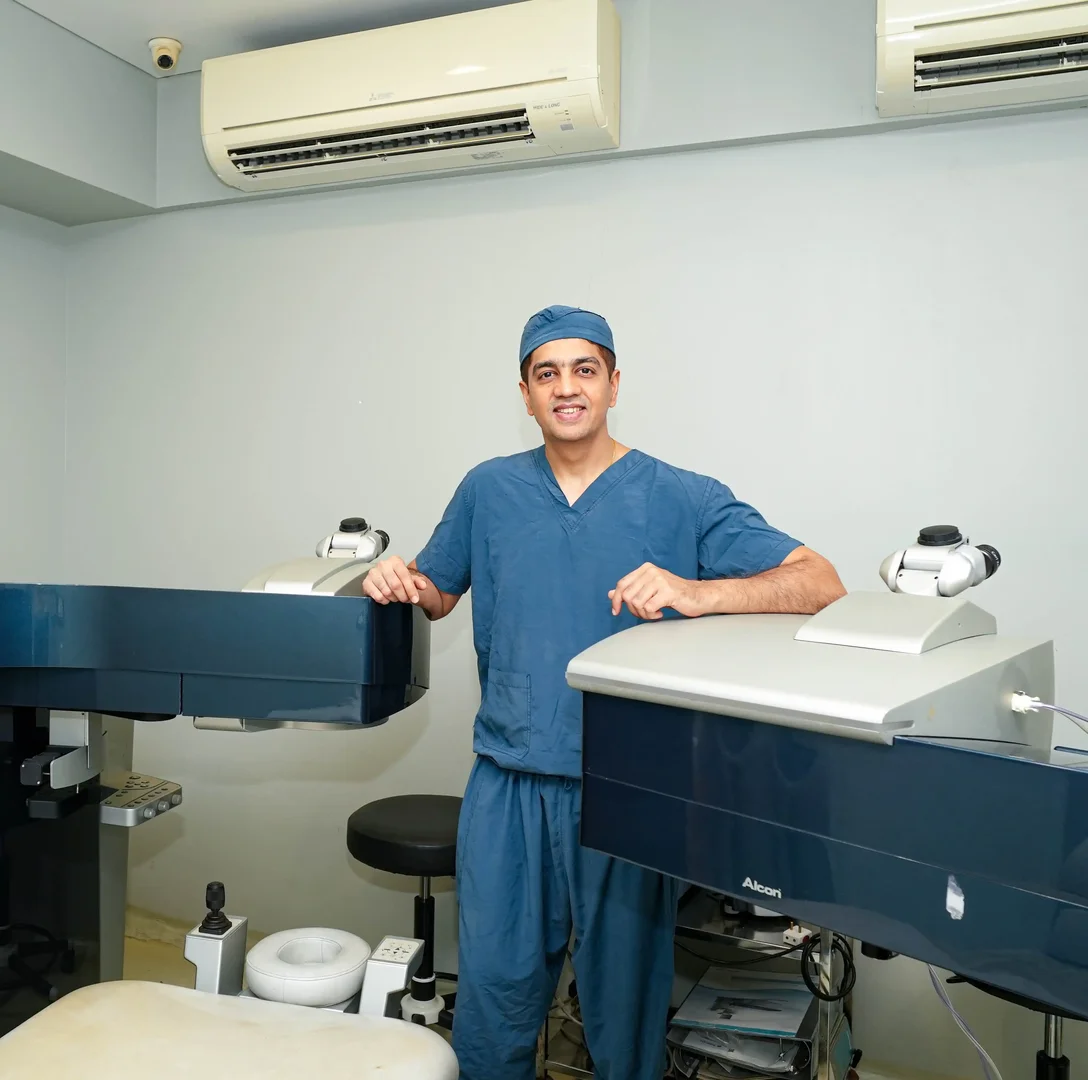
Dr. Nikhil Nasta is the Founder & Lead Surgeon at iSight Eye Care. With over two decades of experience, he specializes in advanced cataract surgery and comprehensive eye care, dedicated to restoring vision and improving patients' quality of life.
Related articles
Dry Eye Home Treatment: Doctor-Approved Remedies
Mild cases of dry eye improve significantly with simple home remedies. Learn about doctor-approved treatments that actually work.
IPL & Morpheus Dry Eye Treatment in Mumbai
Discover IPL & Morpheus for dry eye at I-Sight Eye Care. Long-lasting comfort by treating the root cause with advanced therapies.
Is Dry Eye Dangerous?
Dry eye can become dangerous if left untreated, leading to corneal damage, infections, inflammation, and vision disturbances. Learn about the risks.
Best Eye Drops for Dry Eyes in India 2026 – Doctor's Top Picks
Ophthalmologist-recommended dry eye drops in India: preservative-free picks, typical OTC price bands (~₹200–₹800+), and brands like Refresh, Systane & Hylo—how to choose by symptom.
Frequently Asked Questions
Book an appointment with Dr. Nikhil Nasta
Khar & Dadar · NABH accredited
Disclaimer: This information is for educational purposes only. Individual cases vary; consult a specialist for personalized advice.