
How Often Should a Child’s Eyes Be Checked?
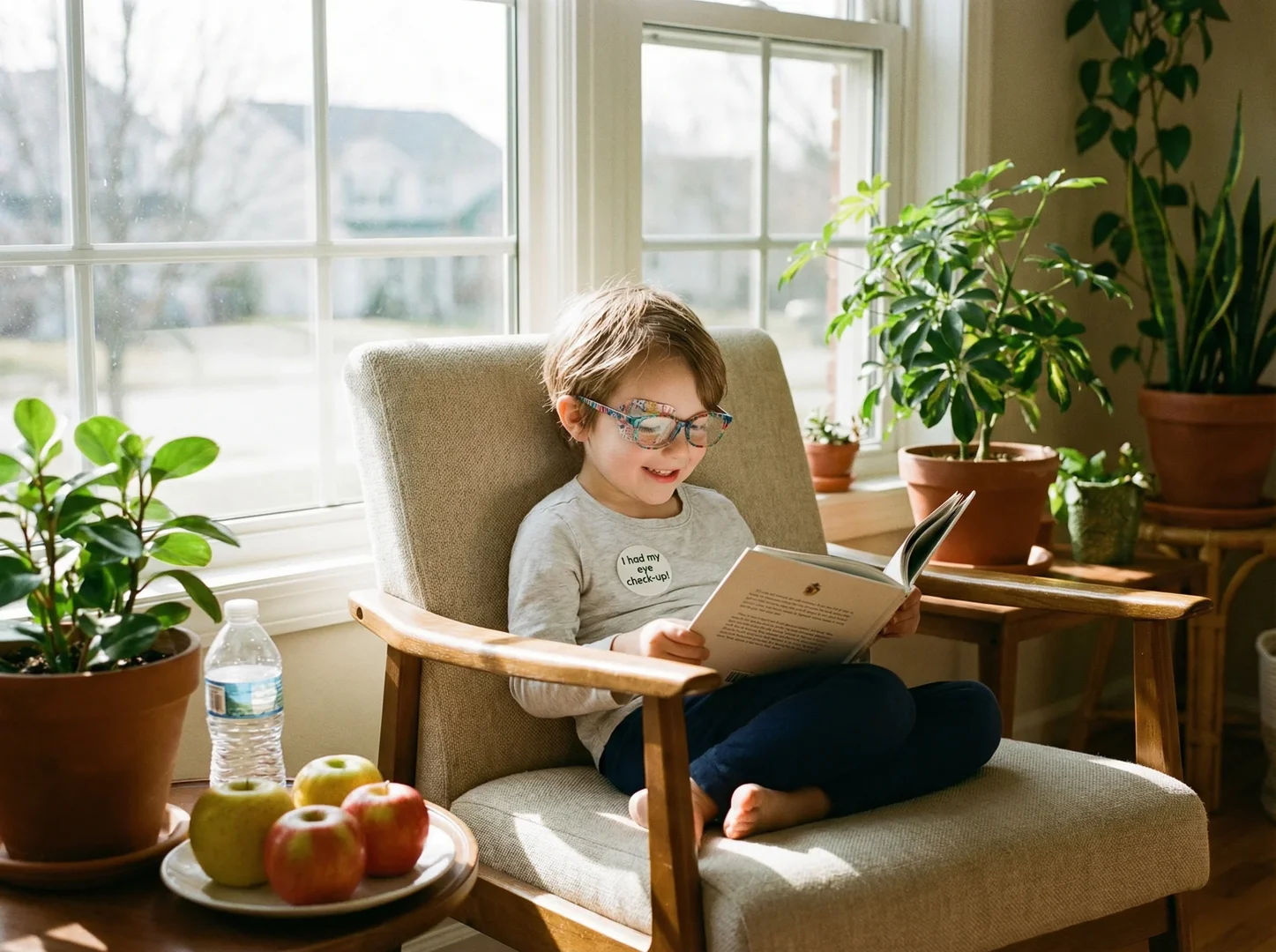
Your child’s eye-check schedule depends on age, findings and any risk factors. If you notice squinting, a head tilt or trouble with schoolwork, book sooner. I don’t need a child to say “I can’t see” before taking those clues seriously.
Quick Answer: How Often Should Kids Get Eye Check-Ups?
- At birth (basic newborn screening)
- At 6-12 months
- At 3 years
- Before school starts (around 4-5 years)
- Every year during school age
Why Regular Pediatric Eye Exams Matter
- Vision drives learning: 70-80% of classroom learning is visual.
- Early treatment prevents long-term problems like amblyopia (lazy eye).
- Children may not complain even when vision is poor.
- Eye strain can affect attention, reading, and confidence.
- Early correction improves school performance and quality of life.
Signs Your Child May Need an Earlier Eye Check-Up
- Frequent eye rubbing, blinking, or watering
- Sitting too close to TV or holding books very close
- Headaches, eye strain, or poor concentration
- One eye turning in or out (squint)
- Tilting head or covering one eye while reading
- Poor reading speed or skipping lines
- Complaints of blurred or double vision
What Happens in a Child Eye Exam?
Screen Time and Children’s Eyes
When to See a Pediatric Eye Specialist
Final Takeaway
Want our latest updates?
Add iSight Eye Care as a preferred source on Google to see our newest articles in your Top Stories and AI Overviews.
Dr. Nikhil Nasta
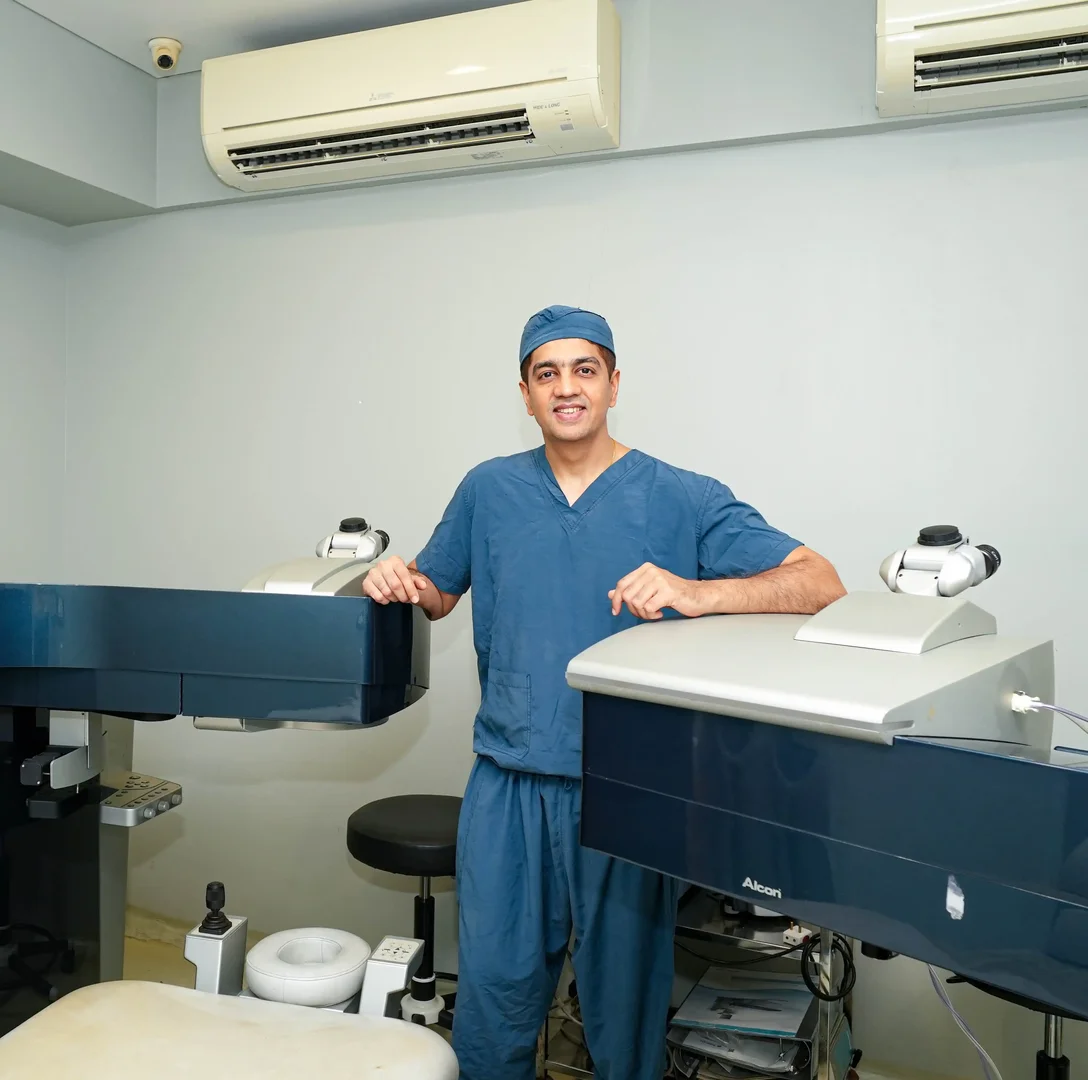
Dr. Nikhil Nasta is the Founder & Lead Surgeon at iSight Eye Care. With over two decades of experience, he specializes in advanced cataract surgery and comprehensive eye care, dedicated to restoring vision and improving patients' quality of life.
Related articles
Pediatric Eye Care in Mumbai
Routine eye exams for children can detect vision issues before they impact school performance or development. Learn about common conditions and treatments.
The Complete Guide to Kids’ Eye Check-Ups: How to Protect Vision
1 in 5 children has an undiagnosed vision issue. Early kids’ eye check-ups can detect problems like myopia, squint, or lazy eye before they cause permanent changes.
Pediatric Eye Doctor India: 12 Signs Your Child Needs an Eye Exam
A child should visit a pediatric eye doctor if they show signs such as squinting, excessive blinking, headaches, or difficulty seeing the board.
Pediatric Eye Care in Mumbai: Early Eye Checks
Early eye exams detect problems like myopia, lazy eye, and squint before they affect learning. Learn why early checks are essential.
Frequently Asked Questions
Book an appointment with Dr. Nikhil Nasta
Khar & Dadar · NABH accredited
Disclaimer: This information is for educational purposes only. Individual cases vary; consult a specialist for personalized advice.