
How to Improve Eyesight: What Actually Works (and What Doesn’t)
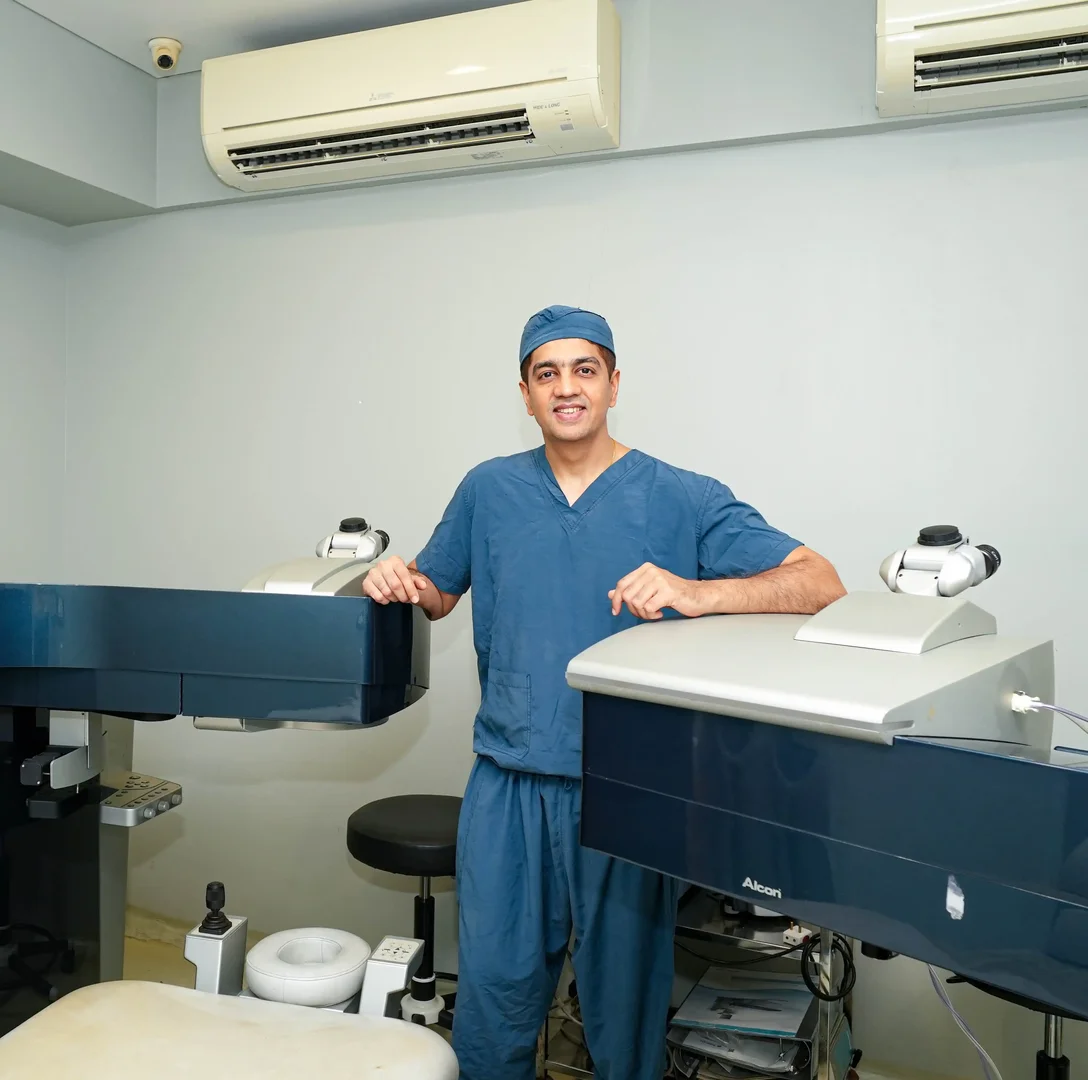
Dr. Nikhil Nasta
4 min read

If you are searching how to improve eyesight, you probably want a clearer answer than “eat carrots.” Some habits genuinely protect your eyes. They do not, however, reverse a significant spectacle power, cataract, or retinal disease. Knowing the difference saves time and prevents you from delaying care that actually restores vision.
This guide covers how to improve eye vision in practical terms: daily protection, proven medical correction, and the warning signs that need an ophthalmologist — not another eye-exercise video.
What “Improving Eyesight” Really Means
People use the phrase for three different problems. The fix is different for each:
| What you mean | Typical cause | What actually helps |
|---|---|---|
| Blur that glasses already correct | Myopia, hyperopia, astigmatism | Updated prescription, contact lenses, LASIK, SMILE or ICL |
| Tired, fluctuating vision after screens | Digital eye strain and dry eye | Blinking, 20-20-20 breaks, humidity, dry-eye treatment |
| Gradual haze, glare or missing patches | Cataract, glaucoma, retina or macular disease | A dilated eye exam and condition-specific treatment — not exercises |
Daily Habits That Protect (and Can Sharpen Comfort)
- Follow the 20-20-20 rule: every 20 minutes, look 20 feet away for 20 seconds
- Blink fully while using screens — incomplete blinking dries the tear film and makes vision fluctuate
- Wear UV-blocking sunglasses outdoors; Mumbai glare and UV accelerate cataract risk
- Spend more outdoor time if you have a child with rising minus power — daylight is one of the few proven myopia-control habits
- Keep diabetes, blood pressure and cholesterol in range; they damage retinal vessels silently
- Do not smoke. Smoking is linked to cataract and macular degeneration
- Eat lutein, zeaxanthin, omega-3s and vitamin C from food — they support retinal and lens health, they do not cancel a −4.00 prescription
What Does Not Improve Eyesight
Eye yoga, palming, looking at the sun, and “throw away your glasses” programmes do not reduce true refractive error. If a method promised to reverse myopia without surgery or medical myopia-control (atropine, specialised lenses, ortho-K under a specialist), it is marketing, not ophthalmology. Delaying a real diagnosis for glaucoma or a retinal tear can cost irreversible sight.
Medical Ways to Improve Eyesight
When the goal is clear, stable vision, these are the evidence-based options:
- An accurate refraction and the right glasses or contact lenses — still the first and safest step for many people
- LASIK, SMILE, SILK or Contoura Vision to reshape the cornea if you are a screened candidate
- ICL (implantable collamer lens) when the cornea is too thin or the power is too high for laser
- Cataract surgery with a modern intraocular lens when the natural lens has clouded
- Retina or glaucoma treatment when disease, not glasses, is the reason vision dropped
When to See an Eye Specialist in Mumbai
Book a comprehensive exam — not just a spectacle test — if vision is worsening, you see flashes or floaters, you have diabetes, you are over 40, or a child’s school screening flagged a problem.
At iSight Eye Care, Dr. Nikhil Nasta assesses whether your blur is a focusing error, dry eye, or disease, then maps the right path: glasses, laser vision correction, or medical treatment.
Start with a consultation: Consult
Want our latest updates?
Add iSight Eye Care as a preferred source on Google to see our newest articles in your Top Stories and AI Overviews.
Dr. Nikhil Nasta
Dr. Nikhil Nasta is the Founder & Lead Surgeon at iSight Eye Care. With over two decades of experience, he specializes in advanced cataract surgery and comprehensive eye care, dedicated to restoring vision and improving patients' quality of life.
Frequently Asked Questions
You can reduce strain and protect long-term eye health with habits and nutrition. You cannot reliably reverse a significant glasses power with exercises. Correction still comes from lenses, contact lenses, or refractive surgery after a proper work-up.
Schedule a visit
Book an appointment with Dr. Nikhil Nasta
Khar & Dadar · NABH accredited
Disclaimer: This information is for educational purposes only. Individual cases vary; consult a specialist for personalized advice.