
How to Improve Vision Naturally: An Honest Ophthalmologist’s Guide
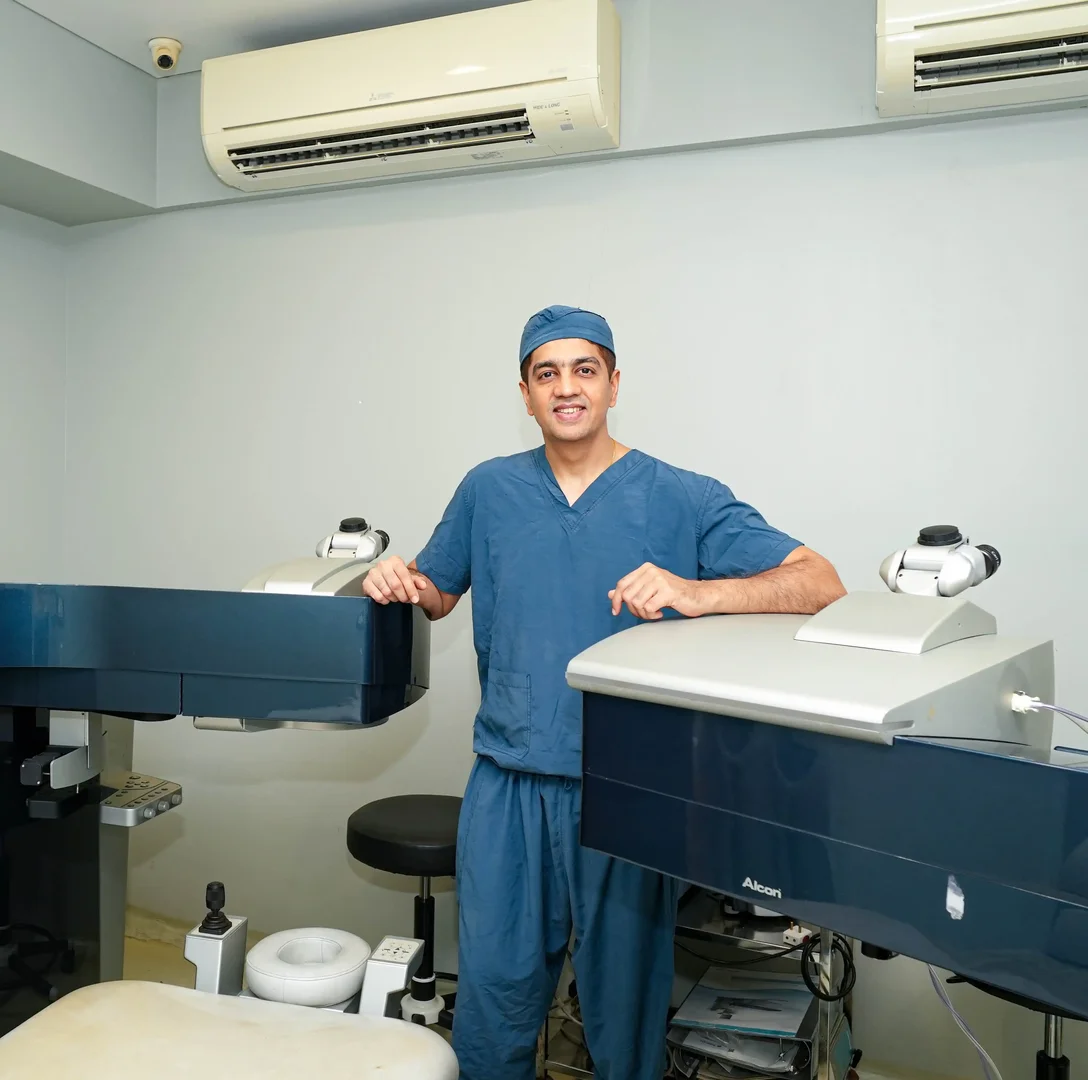
Dr. Nikhil Nasta
3 min read
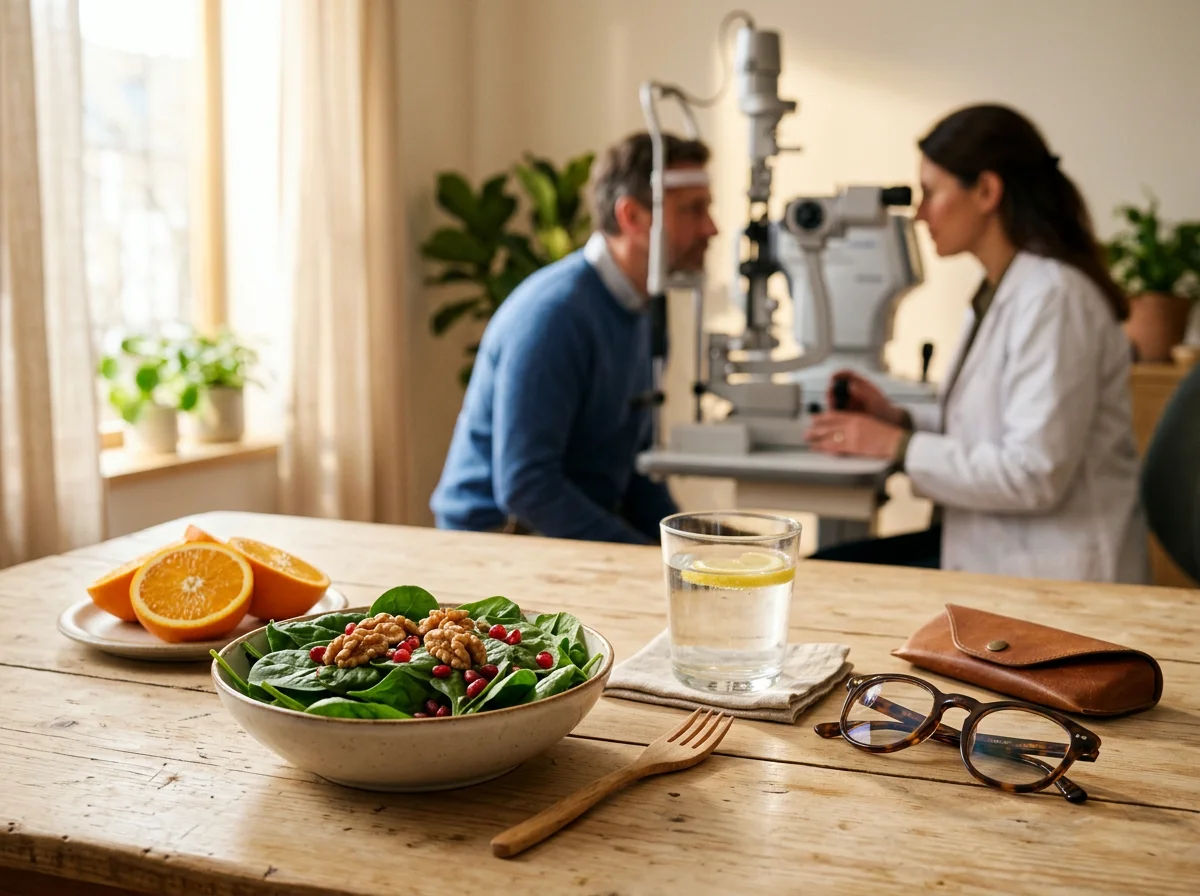
“How to improve vision naturally” is one of the most searched eye questions in India — and one of the most misunderstood. Natural habits can keep the surface of the eye comfortable, slow some age-related damage, and support a child’s developing vision. They cannot melt away a cataract or flatten a myopic cornea.
If you want to know how to improve vision in a way that is honest, this is the split: what food, sleep, screens and sunlight can do — and what only a clinic can do.
What Natural Changes Can Realistically Do
- Reduce digital eye strain so vision stops fluctuating hour to hour
- Support the tear film so the cornea stays optically smooth
- Lower the risk of some nutritional gaps that affect night vision and the retina
- Help slow myopia progression in children when paired with outdoor time and specialist care
- Protect against UV-related cataract acceleration
Food That Supports the Eyes (Not a Cure)
A vision-friendly plate is useful prevention, not a substitute for glasses or surgery:
| Nutrient | Why the eye needs it | Everyday sources |
|---|---|---|
| Lutein and zeaxanthin | Filter blue light in the macula | Spinach, kale, corn, eggs |
| Omega-3 fatty acids | Support tear quality and retinal cells | Fatty fish, walnuts, flaxseed |
| Vitamin A / beta-carotene | Night vision and corneal surface | Papaya, mango, carrots, sweet potato |
| Vitamin C | Antioxidant support for the lens | Amla, guava, oranges, kiwi |
| Zinc | Helps vitamin A work in the retina | Beans, seeds, lean meat |
Screen, Sleep and Sunlight Habits
Most “natural vision” complaints in Mumbai are dry, tired eyes from air-conditioning and phones, not a new spectacle number.
- Keep screens slightly below eye level so the lids cover more of the eye and tears evaporate slower
- Use the 20-20-20 rule and take full blinks — not half-blinks while scrolling
- Sleep 7–8 hours; overnight is when the ocular surface recovers
- Children: aim for more outdoor daylight. Indoor-only routines are linked with faster myopia
- Wear a cap and UV sunglasses; never stare at the sun as a “therapy”
Natural Methods That Do Not Improve Vision
Avoid programmes that tell you to stop wearing prescribed glasses, do aggressive eye rubbing, or use unverified drops and “power-reducing” oils. If vision is blurred because the eye is too long (myopia) or the lens is cloudy (cataract), no diet protocol will reshape anatomy. Treating those with delay is how preventable blindness still happens.
When Natural Care Is Not Enough
See an ophthalmologist if you have new floaters, flashes, a curtain over vision, sudden drop in sight, diabetes, or a child whose power keeps rising. Natural care sits alongside medical care; it does not replace it.
At iSight Eye Care in Mumbai, we will tell you clearly whether your blur is strain, dry eye, a refractive error, or disease — and only recommend LASIK, ICL or other procedures when they are the right tool.
Book an exam: Consult
Want our latest updates?
Add iSight Eye Care as a preferred source on Google to see our newest articles in your Top Stories and AI Overviews.
Dr. Nikhil Nasta
Dr. Nikhil Nasta is the Founder & Lead Surgeon at iSight Eye Care. With over two decades of experience, he specializes in advanced cataract surgery and comprehensive eye care, dedicated to restoring vision and improving patients' quality of life.
Frequently Asked Questions
You can make tired, dry eyes feel and see more comfortably. You cannot naturally reverse a meaningful glasses prescription. If you want to drop glasses, the proven routes are contact lenses or refractive surgery after screening.
Schedule a visit
Book an appointment with Dr. Nikhil Nasta
Khar & Dadar · NABH accredited
Disclaimer: This information is for educational purposes only. Individual cases vary; consult a specialist for personalized advice.