Why Regular Eye Exams Are Crucial (Even If You Have Perfect Vision)
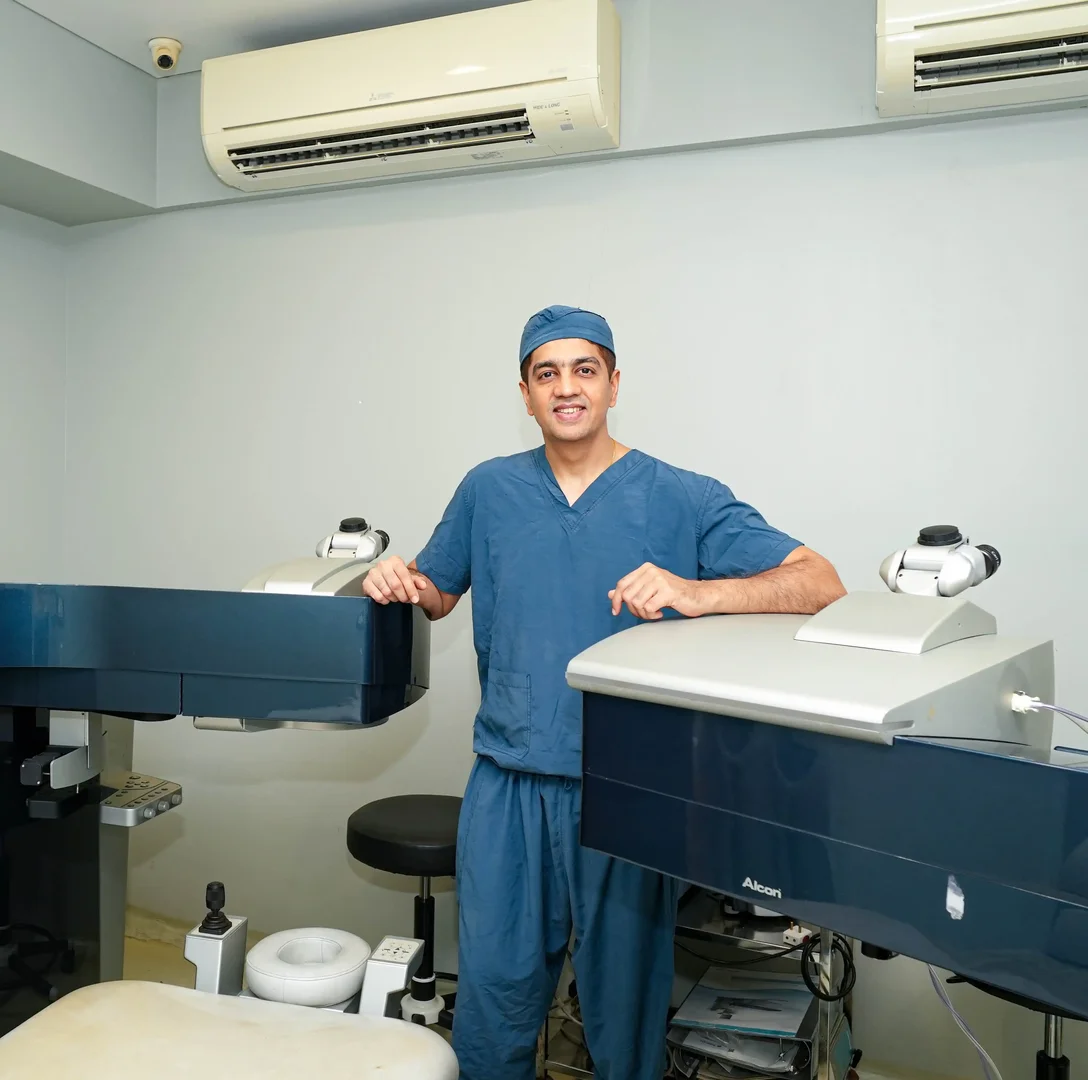
Dr. Nikhil Nasta
4 min read
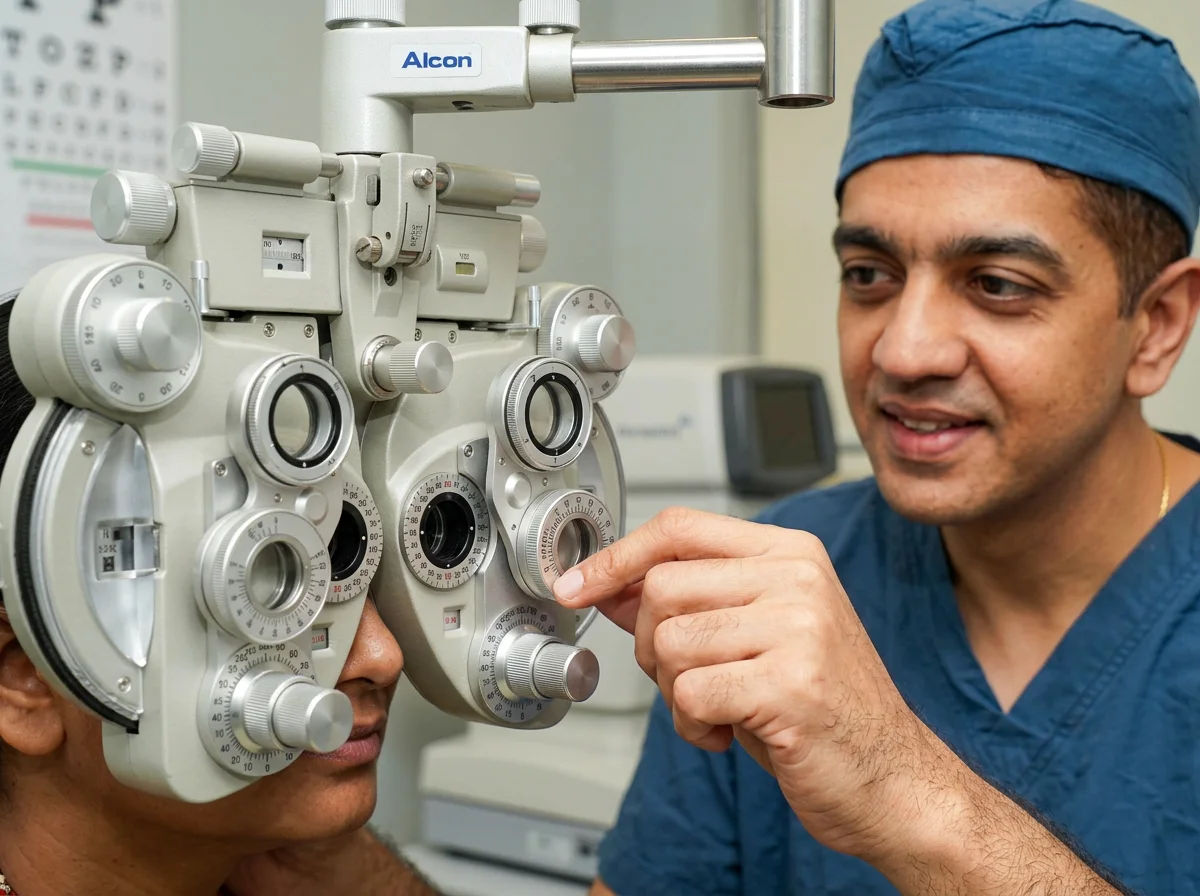
If you can read a bus number and a WhatsApp thread, it is easy to assume the eyes are healthy. That is why many people only search for an eye exam in Mumbai when glasses feel wrong. A comprehensive exam is not a spectacle sale. It is one of the few times a doctor can look directly at blood vessels, the optic nerve and the retina — tissues that change years before you notice a blur.
Skipping that visit is how glaucoma, diabetic retinopathy and some neurological problems still present late.
Detecting Silent Eye Diseases
Open-angle glaucoma, early diabetic retinopathy and some macular disease can progress with 6/6 vision and no pain. Peripheral field is lost slowly; the brain fills the gaps. Macular swelling can be mild until a straight line looks bent. By the time you 'feel' a problem, the easy treatment window may have closed.
A dilated exam, pressure check, and, when indicated, OCT or visual fields catch these while drops, laser or injections still work.
A Window to Your Overall Health
The retina is the only place where small blood vessels and a cranial nerve are visible without a cut. A careful eye exam can flag:
- Diabetes, via leaking or ischaemic retinal vessels — sometimes before the blood report is taken seriously
- Hypertension and, occasionally, very high cholesterol signs
- Autoimmune and inflammatory disease that shows as uveitis or dry, scarred surfaces
- Thyroid eye changes, or optic-nerve swelling that needs a systemic work-up
- Rarely, raised intracranial pressure or a compressive lesion presenting as disc swelling, field loss or a pupil change
What a Comprehensive Exam Includes (vs a Screening)
A school, driving-licence or mall 'eye check' is usually visual acuity plus a rough refraction. A comprehensive exam adds history, eye-muscle and pupil checks, slit-lamp exam of the lids, cornea and lens, eye-pressure measurement, and a view of the retina — dilated unless there is a specific reason not to. Contact-lens fits, dry-eye scoring, topography, OCT and fields are added when the story demands them.
If nobody has looked at the back of your eye, you have not had a full exam.
How Often Should You Get an Exam?
| Who | Typical interval | Sooner if |
|---|---|---|
| Children | As per paediatric schedule, then every 1–2 years in school | Squint, failed school screening, rising minus power, premature birth |
| Healthy adults 18–40 | Every 2 years, yearly if you wear contact lenses | New headaches with visual change, injury, or a strong family history |
| Adults 40–60 | Every 1–2 years | Glaucoma in the family, steroid use, high myopia |
| Over 60, or any adult with diabetes | At least yearly (diabetics: dilated, no excuses) | Known retinopathy, macular degeneration, or a recent prescription swing |
Mumbai-Specific Reasons Not to Wait
High myopia is common in urban Indian students and raises retina risk. Uncontrolled diabetes is common and silent in the eye. Hours of AC and screens create dry-eye disease that people treat with random chemist drops for years. Pollution and UV add cataract risk. None of these require panic. They require a diary reminder for an exam, the same way you already remember a dental scaling.
Schedule Your Check-Up Today
Do not wait for blur. Dr. Nikhil Nasta and the team at iSight Eye Care in Mumbai run exams that look at health, not only the letter chart — including dilation when it is needed to see the retina properly.
Book: Consult
Want our latest updates?
Add iSight Eye Care as a preferred source on Google to see our newest articles in your Top Stories and AI Overviews.
Dr. Nikhil Nasta
Dr. Nikhil Nasta is the Founder & Lead Surgeon at iSight Eye Care. With over two decades of experience, he specializes in advanced cataract surgery and comprehensive eye care, dedicated to restoring vision and improving patients' quality of life.
Frequently Asked Questions
No. A screening checks how clearly you see letters. A comprehensive exam assesses eye health, pressure, alignment and the retina, and only then decides whether glasses are the main issue.
Schedule a visit
Book an appointment with Dr. Nikhil Nasta
Khar & Dadar · NABH accredited
Disclaimer: This information is for educational purposes only. Individual cases vary; consult a specialist for personalized advice.