
Is LASIK Safe After the Age of 40?
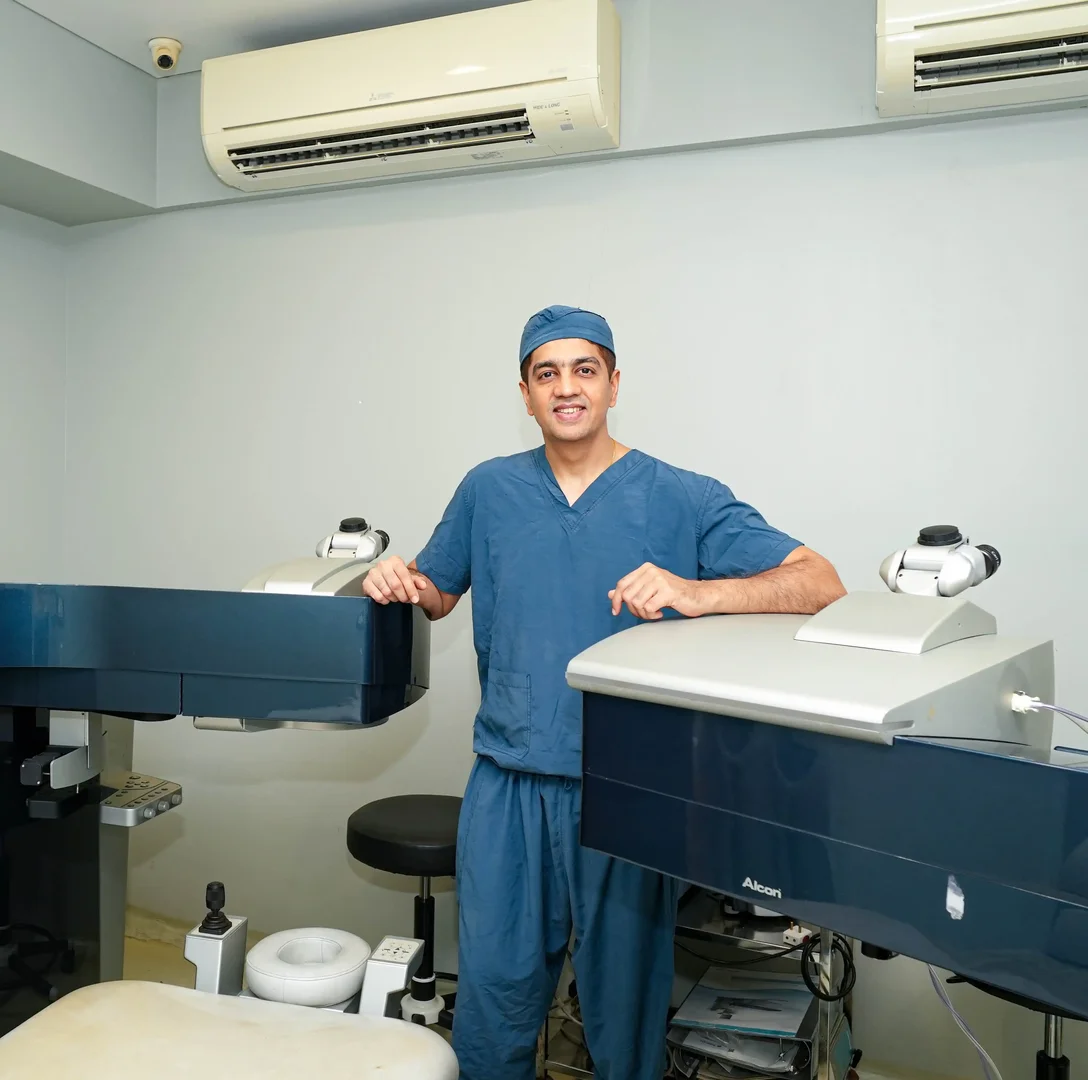
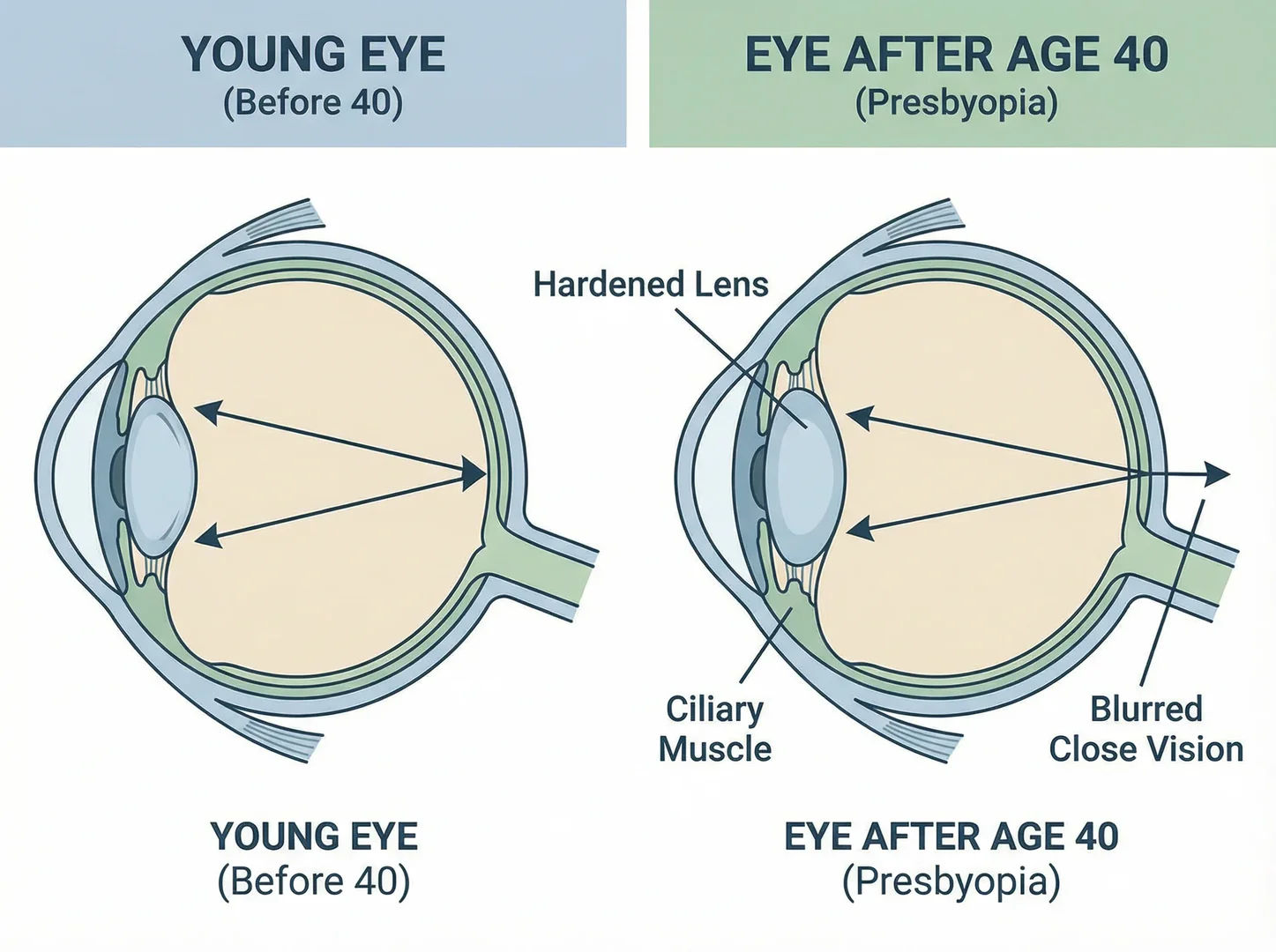
LASIK after 40 needs a conversation about reading as well as distance. Your natural lens keeps ageing after laser correction. I’ll explain likely glasses needs and discuss suitable options, so you know what the procedure can realistically change.
Introduction
Why LASIK after 40 raises questions
What changes in vision after 40?
When LASIK can be safe after 40
- Eye power is stable
- Cornea thickness is adequate
- Dry eye is mild and controlled
- No early cataract is present
- The patient understands reading glasses may still be needed
When LASIK may not be the best option after 40
- Presbyopia is the main concern
- Dry eye is significant
- Early cataract is developing
- Corneal thickness is borderline
- The patient expects complete freedom from reading glasses
Better alternatives to LASIK after 40
Dry eye considerations after 40
How Dr. Nikhil Nasta decides LASIK suitability after 40
Conclusion
Want our latest updates?
Add iSight Eye Care as a preferred source on Google to see our newest articles in your Top Stories and AI Overviews.
Dr. Nikhil Nasta
Dr. Nikhil Nasta is the Founder & Lead Surgeon at iSight Eye Care. With over two decades of experience, he specializes in advanced cataract surgery and comprehensive eye care, dedicated to restoring vision and improving patients' quality of life.
Related articles
Best LASIK Surgery in Mumbai – Choosing the Right Eye Surgeon
Mumbai offers world-class LASIK and laser eye surgery options—Contoura, SMILE, PRK, and ICL are all available. The best eye doctor in Mumbai is one who matches your eye condition with the safest treatment.
LASIK Surgery in Bandra
If you are searching for LASIK surgery in Bandra, you are not alone. Bandra has become one of Mumbai’s most sought after areas for advanced eye care.
LASIK in Khar & Laser Eye Surgery in Mumbai
Looking for safe and effective LASIK in Khar or laser eye surgery in Mumbai? Here’s everything you need to know about eligibility, cost, procedure, and recovery.
Top LASIK Clinics in Bandra for Bladeless Vision Correction
The top LASIK clinics in Bandra offer bladeless LASIK using advanced laser platforms, strict pre-operative screening, and highly experienced surgeons.
Frequently Asked Questions
Book an appointment with Dr. Nikhil Nasta
Khar & Dadar · NABH accredited
Disclaimer: This information is for educational purposes only. Individual cases vary; consult a specialist for personalized advice.