
Myopia Treatment in Mumbai
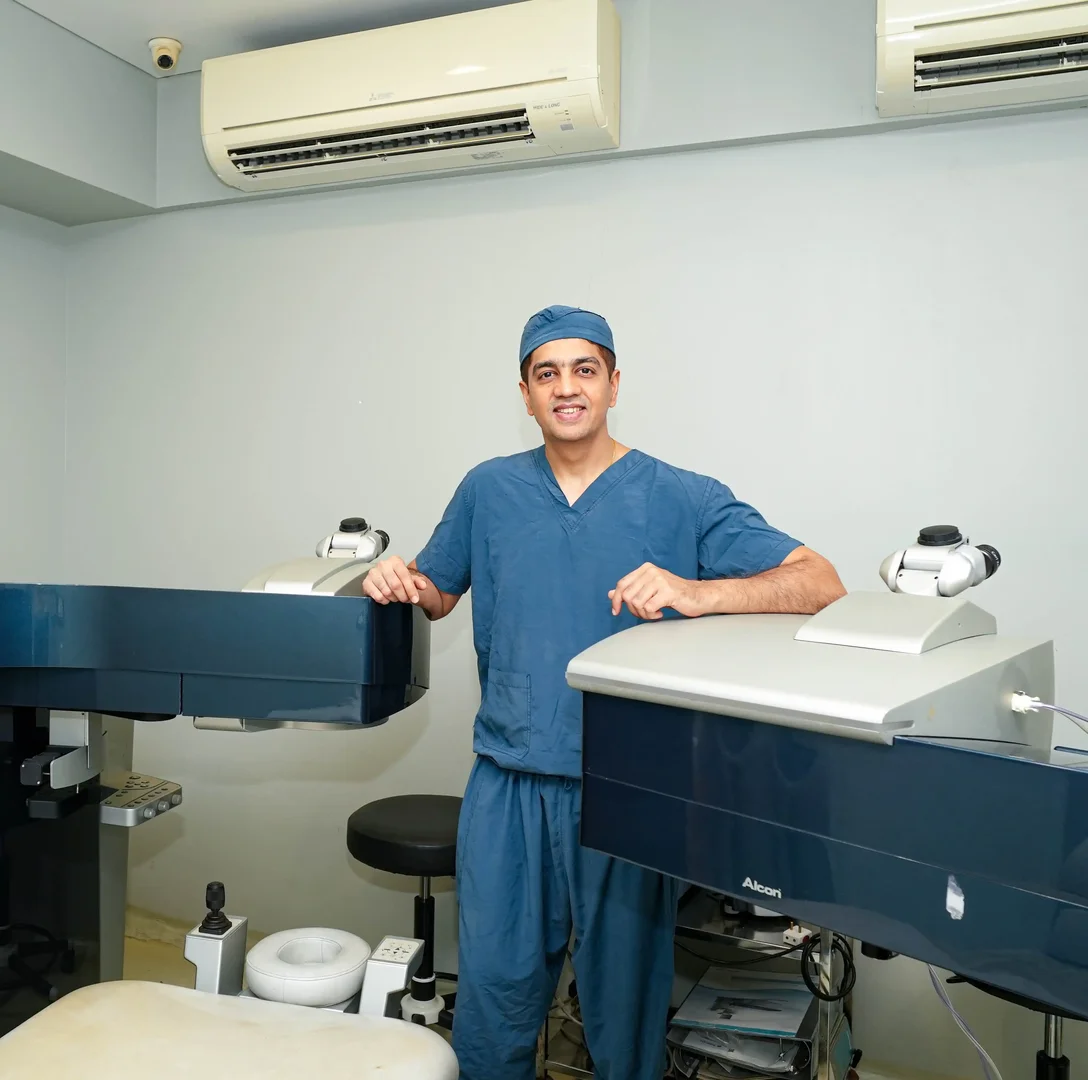
Dr. Nikhil Nasta
4 min read
Introduction
Myopia, commonly known as short-sightedness, is one of the fastest growing eye conditions worldwide. It affects children, teenagers and adults, and its progression has increased significantly due to lifestyle changes, screen use and reduced outdoor activity.
If you or your child struggles to see distant objects clearly, this guide explains everything you need to know about myopia treatment in Mumbai, including causes, symptoms, progression control and modern vision correction options.
What Is Myopia?
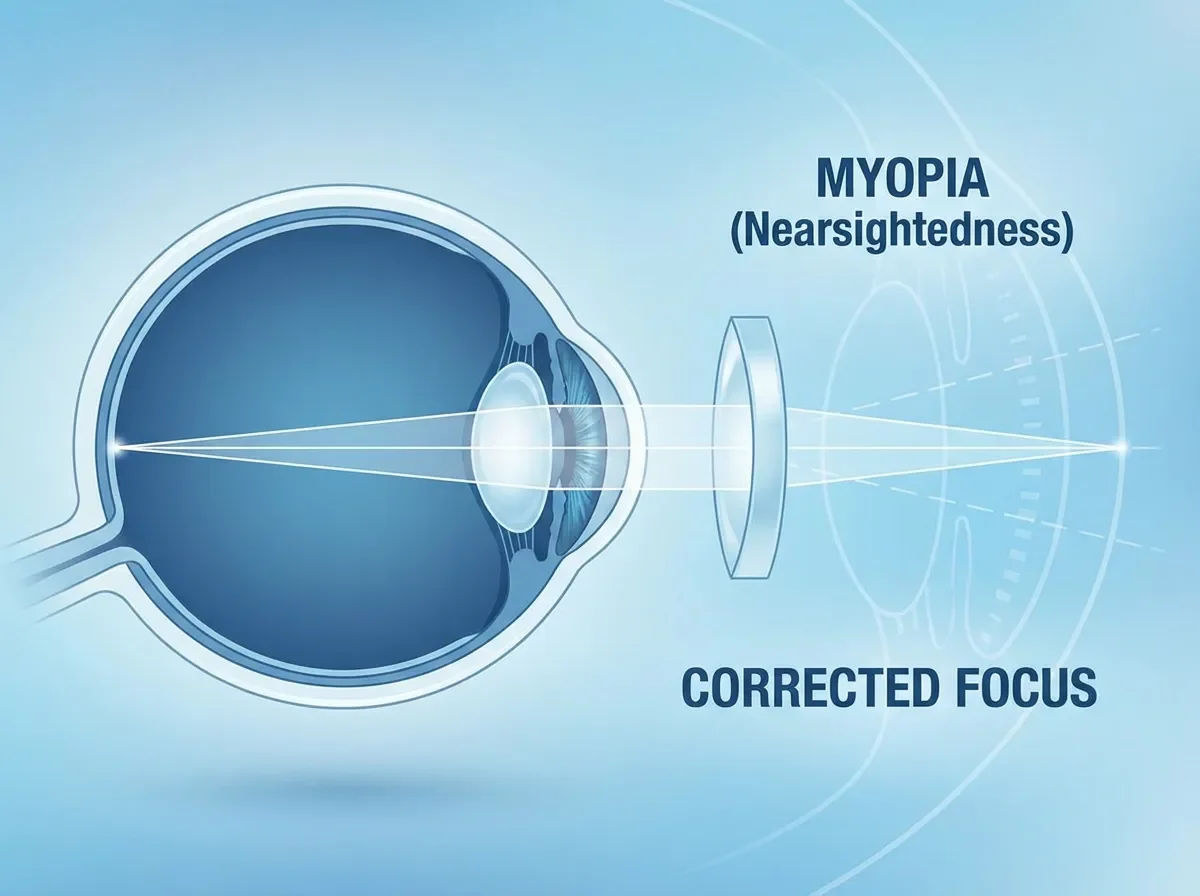
Myopia is a refractive error where distant objects appear blurry while near vision remains clear. This happens when:
- The eye grows too long
- The cornea is too curved
- Light focuses in front of the retina instead of on it
Myopia can range from mild to very high power.
Common Symptoms of Myopia
You may have myopia if you experience:
- Blurred distance vision
- Squinting to see far objects
- Difficulty reading road signs
- Eye strain
- Headaches
- Sitting very close to screens or books
- Poor night vision
Children may not complain directly and often show signs like sitting close to the television or struggling in class.
Why Myopia Is Increasing So Rapidly
The rise in myopia is linked to:
- Excessive screen time
- Reduced outdoor activity
- Prolonged near work
- Early gadget exposure in children
- Genetic predisposition
- Poor visual habits
Urban environments like Mumbai have seen a sharp rise in childhood and early onset myopia.
Types of Myopia
- Simple myopia: Mild to moderate power, usually stabilises in adulthood.
- High myopia: Higher powers with increased risk of retinal issues.
- Progressive myopia: Power increases steadily over time, common in children.
- Pathological myopia: Rare but associated with structural changes inside the eye.
Early detection and management are crucial in progressive and high myopia.
Why Myopia Control Is Important
Uncontrolled myopia can lead to:
- Very high spectacle power
- Retinal degeneration
- Increased risk of retinal detachment
- Glaucoma
- Early cataract
This is why modern eye care focuses not just on correcting vision, but also on slowing myopia progression, especially in children.
Myopia Control in Children
Children with progressive myopia benefit from early intervention. Modern myopia management strategies include:
- Specialised spectacle lenses
- Myopia control contact lenses
- Low dose atropine therapy
- Lifestyle modifications
- Regular monitoring
Outdoor play and reducing screen exposure play a critical role. A structured paediatric eye evaluation helps choose the right approach.
Myopia Treatment Options for Adults
Once myopia stabilises, adults can choose from multiple vision correction options depending on eye health and power.
LASIK for Myopia
LASIK reshapes the cornea to correct myopia. It is suitable for:
- Mild to moderate myopia
- Stable power
- Adequate corneal thickness
Learn more here: Lasik Surgery Mumbai
Contoura Vision for Myopia
Contoura Vision is a customised form of LASIK that corrects corneal irregularities in addition to power. It offers:
- Sharper visual quality
- Better contrast
- Reduced glare
- Improved night vision
Best for patients seeking premium visual outcomes.
ICL Surgery for High Myopia
For patients with high power or thin corneas, ICL surgery is often the best solution. Advantages include:
- Cornea untouched
- Reversible procedure
- Excellent night vision
- Suitable for very high power
Learn more here: Icl Surgery Mumbai
Glasses and Contact Lenses
Glasses and contact lenses correct vision but do not stop progression. In children, they should be combined with myopia control strategies to reduce worsening.
Myopia and Screen Use
Prolonged screen exposure worsens eye strain and accelerates progression. Tips include:
- Follow the 20 minute break rule
- Encourage outdoor activity
- Maintain proper reading distance
- Reduce unnecessary gadget use
- Ensure adequate lighting
These habits are especially important for children.
Myopia and Dry Eye Connection
Adults with myopia who use screens heavily often experience dry eye symptoms. Managing dryness improves comfort and visual quality, especially before LASIK or ICL. Learn more here: Dry Eye Treatment Mumbai
When Should You See an Eye Specialist?
You should seek evaluation if:
- Vision worsens rapidly
- Headaches increase
- Child’s power increases frequently
- Night vision reduces
- Eye strain persists
- There is a family history of high myopia
Early intervention prevents long-term complications.
Choosing the Right Myopia Treatment in Mumbai
A personalised evaluation considers:
- Age
- Degree of myopia
- Rate of progression
- Corneal thickness
- Retinal health
- Lifestyle and screen habits
Clinics that offer both myopia control and surgical correction provide the most comprehensive care. Book your evaluation here: Consult
Myopia and Long Term Eye Health
Managing myopia early reduces the risk of retinal complications, visual impairment later in life, and surgical interventions in the future. Modern eye care focuses on preservation, not just correction.
Conclusion
Myopia is no longer just a number on a prescription. It is a condition that requires structured monitoring, lifestyle changes and personalised treatment. Whether it is myopia control in children or vision correction in adults through LASIK, Contoura or ICL, timely care ensures clear vision and long-term eye health.
Want our latest updates?
Add iSight Eye Care as a preferred source on Google to see our newest articles in your Top Stories and AI Overviews.
Dr. Nikhil Nasta
Dr. Nikhil Nasta is the Founder & Lead Surgeon at iSight Eye Care. With over two decades of experience, he specializes in advanced cataract surgery and comprehensive eye care, dedicated to restoring vision and improving patients' quality of life.
Schedule a visit
Book an appointment with Dr. Nikhil Nasta
Khar & Dadar · NABH accredited
Disclaimer: This information is for educational purposes only. Individual cases vary; consult a specialist for personalized advice.