
Colour Blindness: Types, Tests, and What Treatment Can and Cannot Do
Dr. Nikhil Nasta
4 min read
Most colour blindness is inherited, present from childhood, and not reversed by eye drops, vitamins, or a filter sold as a cure. The common red-green types are carried on the X chromosome, so they show up far more often in boys. A colour problem that starts in adult life is a different story: that can come from the optic nerve, the macula, or a medicine, and it needs an eye exam rather than a pair of novelty glasses.
Inherited colour blindness is something I explain honestly: we cannot restore the missing cone cells with drops or a filter. I still want children tested, and I take a new colour problem in an adult seriously, because that can be the optic nerve, the macula, or a medicine.
The Types People Actually Have
| Type | What is hard to tell apart | How common |
|---|---|---|
| Deutan (green-weak) | Greens, reds, browns, and some oranges | The most common inherited form |
| Protan (red-weak) | Reds look darker; red signals can be missed | Less common than deutan, still mostly in males |
| Tritan (blue-yellow) | Blues and yellows | Rare when inherited; more often acquired |
| Complete colour blindness | The world is grey, and light often hurts | Uncommon. Vision is usually reduced as well |
How the Test Works
The plate test most clinics use is the Ishihara book: coloured dots that form a number if your red-green vision is typical. It is a screening test, not a full map of your colour vision. A child who has memorised the plates from a phone screenshot can “pass” and still struggle with a railway signal or a school map. When the result matters for a job, a pilot medical, or the armed forces, the examiner needs the original plates, proper lighting, and sometimes a further test such as the Farnsworth arrangement.
In India, several careers still screen for colour vision: aviation, railways, the armed forces, the merchant navy, and some electrical and laboratory roles. A failed plate test is not an emergency. It is a reason to have the result confirmed by an ophthalmologist before a family makes a career plan around it.
What Does Not Cure It
- Filter glasses and “colour blind glasses” can change contrast for some red-green tasks in bright light. They do not create the missing cone signal, and they do not turn a failed Ishihara test into a pass for a safety-critical job.
- Contact lenses with a tint on one eye use the same idea. They are an aid, not a cure, and they can reduce detail in that eye.
- Eye exercises, amla, and screen filters do not rebuild cone cells.
- Gene therapy is being studied for a few rare retinal diseases. It is not a clinic treatment for ordinary red-green colour blindness.
When Colour Vision Changes in an Adult
A person who sorted colours easily and now cannot may have an optic-nerve problem, a macular problem, cataract, or a drug effect. Ethambutol, used for tuberculosis, and hydroxychloroquine, used for some joint and skin disease, are two medicines worth naming to the doctor. Pain on eye movement, a sudden drop in clarity, or one eye worse than the other should be seen promptly, not watched for a month.
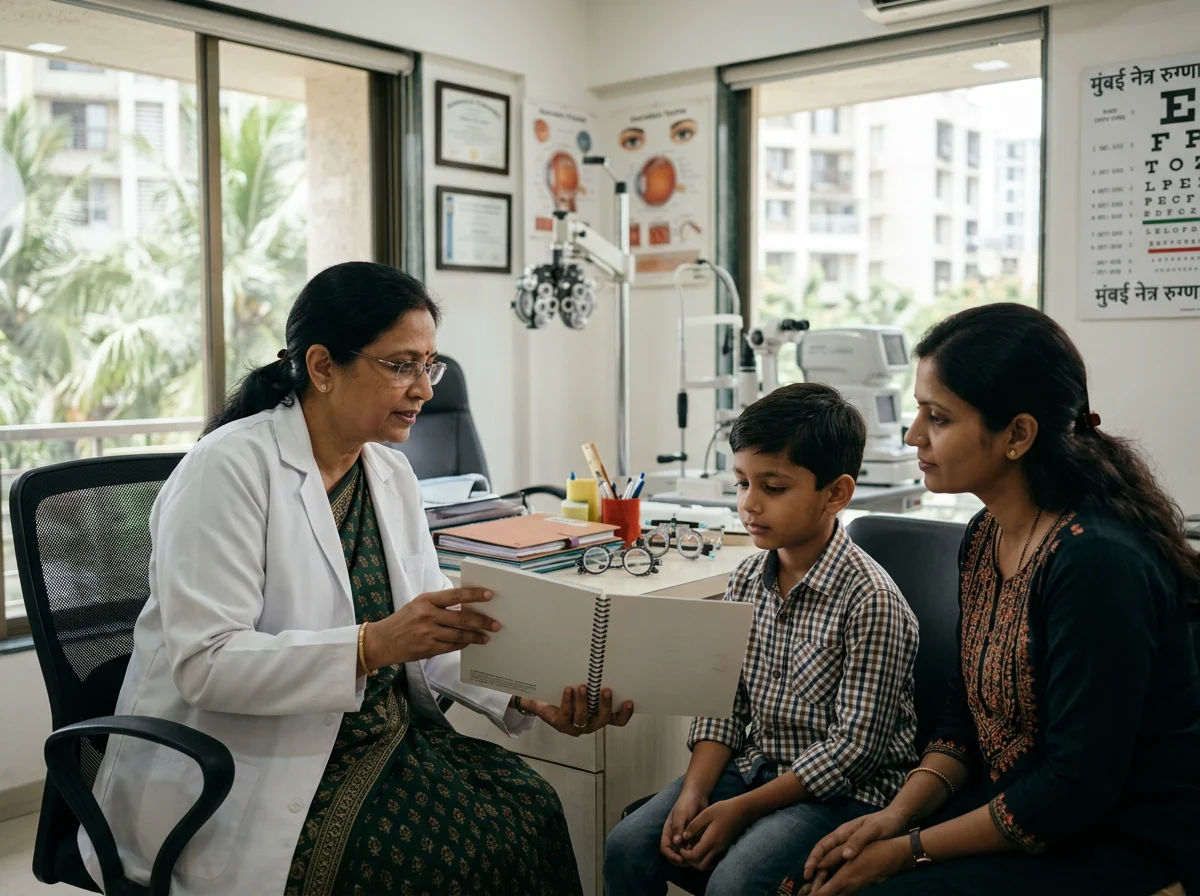
Children should be asked about colour at a school-age eye check, especially boys, and especially if a parent or uncle is colour blind. The visit also picks up the short sight and lazy eye that colour testing alone will miss.
What 6/6 vision means: What Does 6 6 Vision Mean
Children’s eye checks: Pediatric Eye Doctor Mumbai Guide
Book: Consult
Want our latest updates?
Add iSight Eye Care as a preferred source on Google to see our newest articles in your Top Stories and AI Overviews.
Dr. Nikhil Nasta
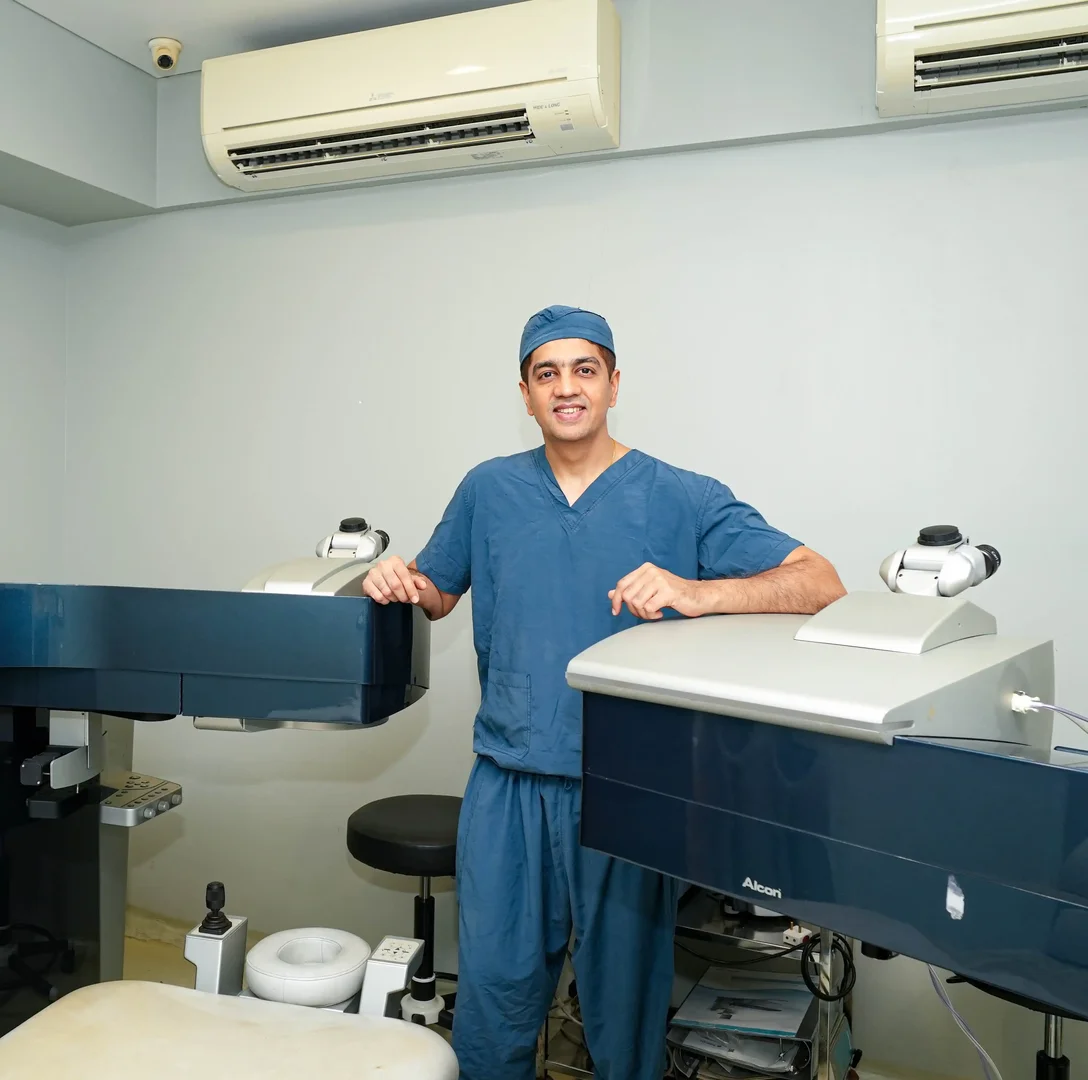
Dr. Nikhil Nasta is the Founder & Lead Surgeon at iSight Eye Care. With over two decades of experience, he specializes in advanced cataract surgery and comprehensive eye care, dedicated to restoring vision and improving patients' quality of life.
Frequently Asked Questions
Inherited red-green colour blindness cannot be cured with drops, diet, or exercises. Filter glasses may help some everyday tasks. They do not restore normal colour vision or guarantee a pass on an official colour-vision test.
Schedule a visit
Book an appointment with Dr. Nikhil Nasta
Khar & Dadar · NABH accredited
Disclaimer: This information is for educational purposes only. Individual cases vary; consult a specialist for personalized advice.