
Diabetic Retinopathy: Why Diabetics Need a Specialist Eye Doctor
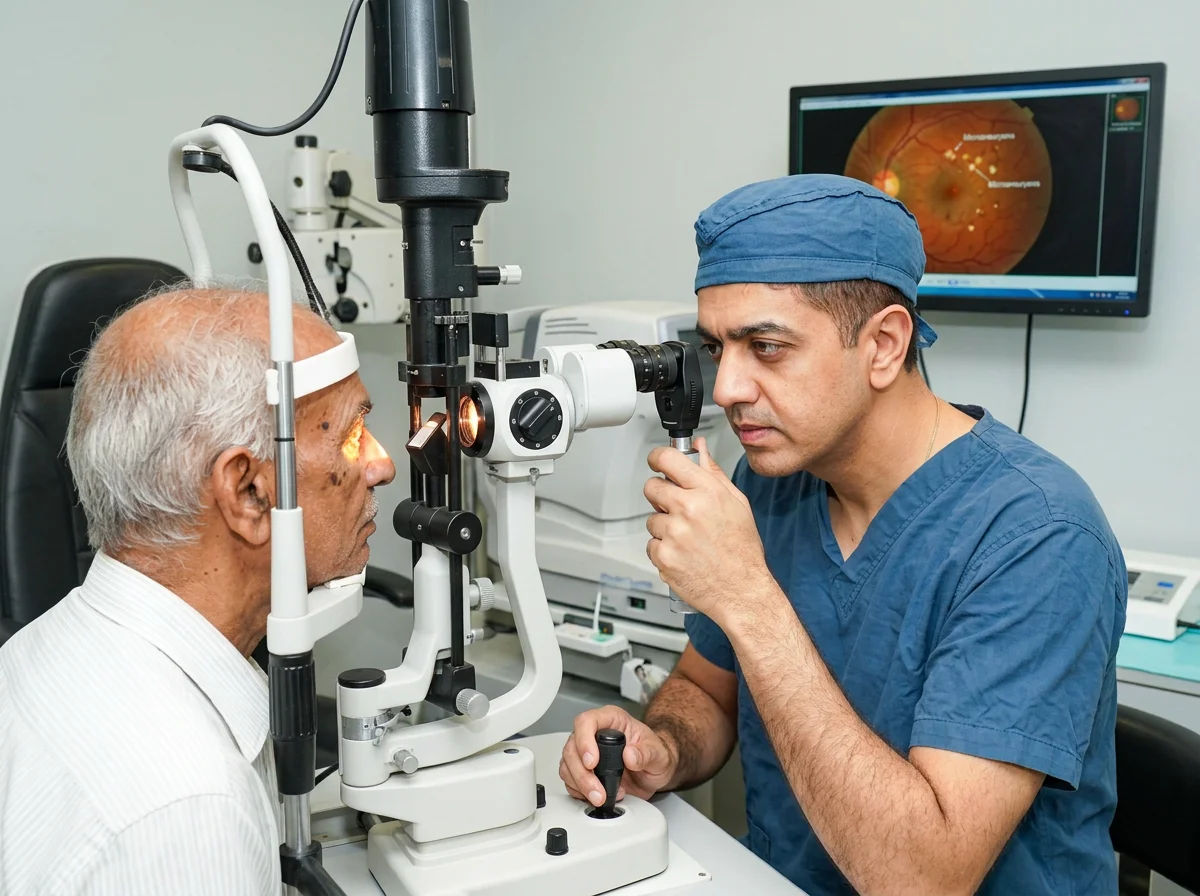
What is Diabetic Retinopathy?
The Danger of No Symptoms
How Often Do You Need a Dilated Exam?
- Type 1: usually from five years after diagnosis, then at least yearly — sooner if any retinopathy is found
- Type 2: dilated exam at diagnosis, then at least yearly
- If macular oedema or proliferative changes are present: intervals set by the retina specialist, often every few months
- During pregnancy: more frequent reviews, because retinopathy can accelerate
- After any sudden floaters, blur, or a dark curtain: same-day, not 'after my next sugar test'
What the Specialist Looks For and How It Is Treated
- Systemic control: sugars, blood pressure and lipids — the foundation; injections cannot outrun uncontrolled diabetes forever
- Anti-VEGF (and sometimes steroid) injections for macular oedema and some proliferative disease
- Laser (including pan-retinal photocoagulation) to reduce the drive for new vessels
- Vitrectomy surgery when there is non-clearing vitreous haemorrhage or a tractional detachment
What You Can Do Between Appointments
Expert Diabetic Eye Care at iSight
Want our latest updates?
Add iSight Eye Care as a preferred source on Google to see our newest articles in your Top Stories and AI Overviews.
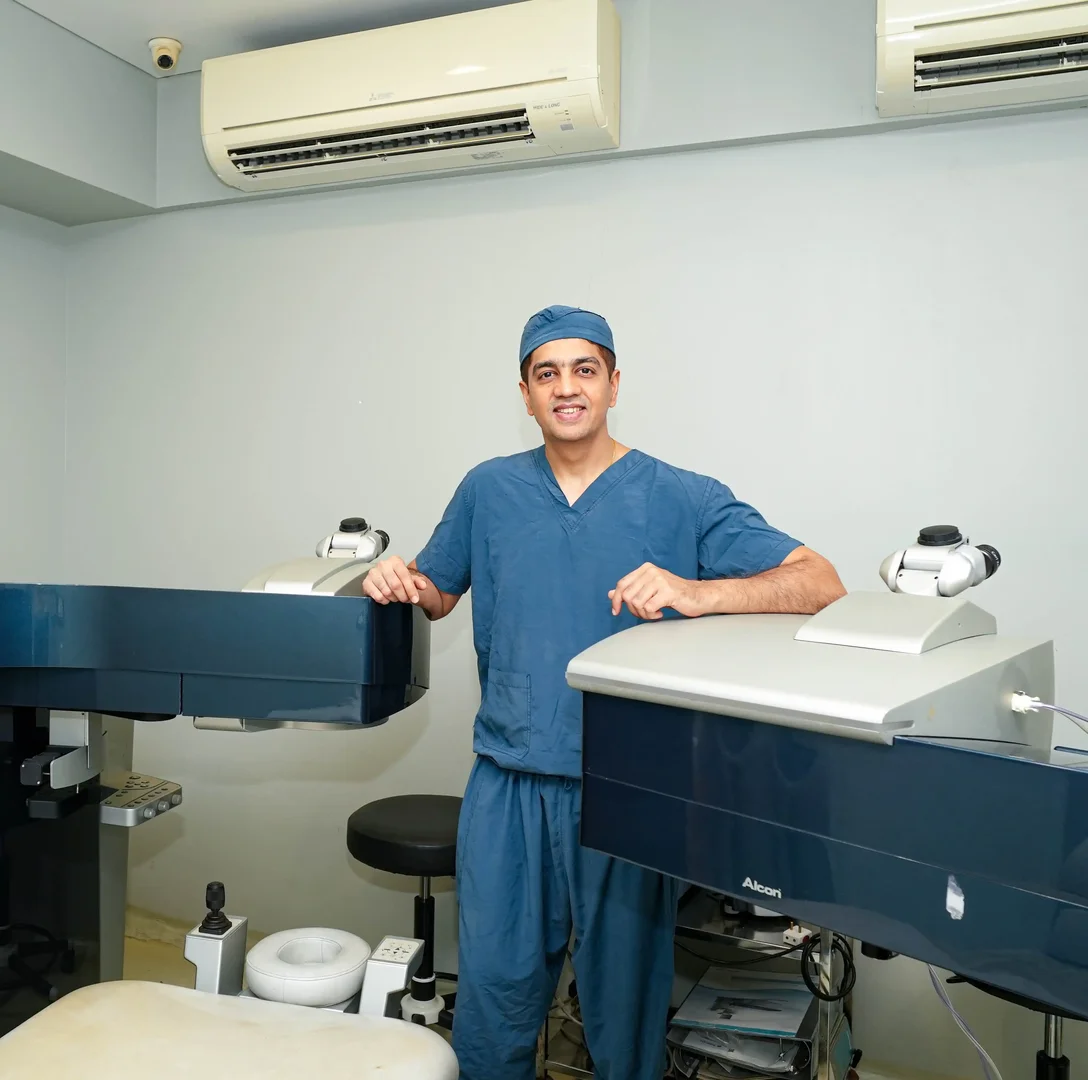
Dr. Nikhil Nasta
Dr. Nikhil Nasta is the Founder & Lead Surgeon at iSight Eye Care. With over two decades of experience, he specializes in advanced cataract surgery and comprehensive eye care, dedicated to restoring vision and improving patients' quality of life.
Related articles
Are Eye Floaters Normal After the Age of 40?
According to Dr. Nikhil Nasta of I-Sight Eye Care, eye floaters are common after the age of 40 and are usually related to natural age related changes.
When Floaters Mean Trouble: Understanding Retina Health
Floaters and flashes are often harmless but in some cases, they can signal retinal tears or detachment, an eye emergency. Learn the warning signs.
Eye Clinics with Experienced Surgeons for Retinal Surgery
How to identify retinal surgery clinics with experienced surgeons, advanced imaging, and comprehensive emergency retina care.
When to See a Retina Specialist in Mumbai: Symptoms You Shouldn't Ignore
The retina is crucial for clear vision. Discover the warning signs of retinal disease and learn when it's time to consult a top retina specialist in Mumbai.
Frequently Asked Questions
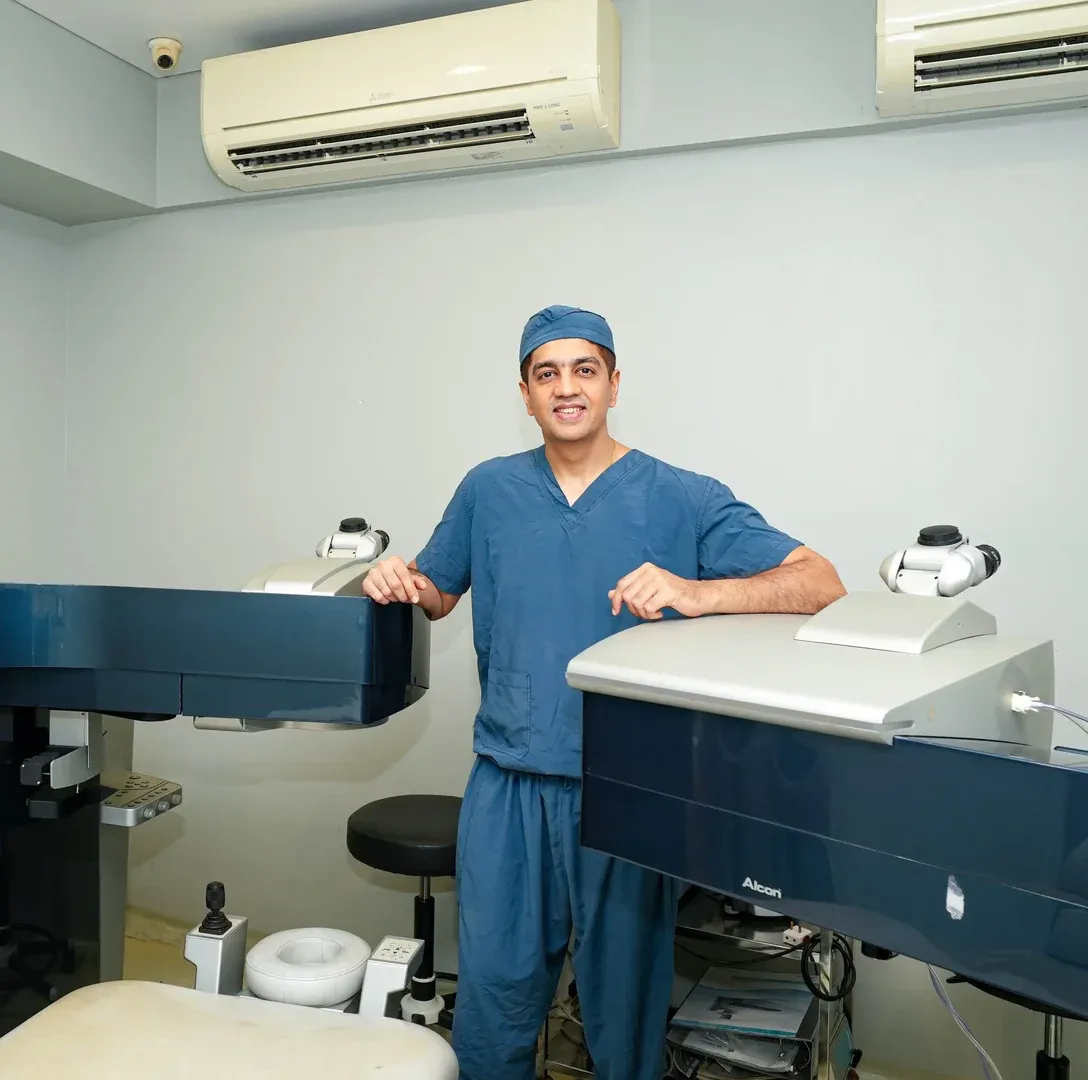
Book an appointment with Dr. Nikhil Nasta
Khar & Dadar · NABH accredited
Disclaimer: This information is for educational purposes only. Individual cases vary; consult a specialist for personalized advice.