
Do EDOF Lenses Cause Halos or Glare at Night?
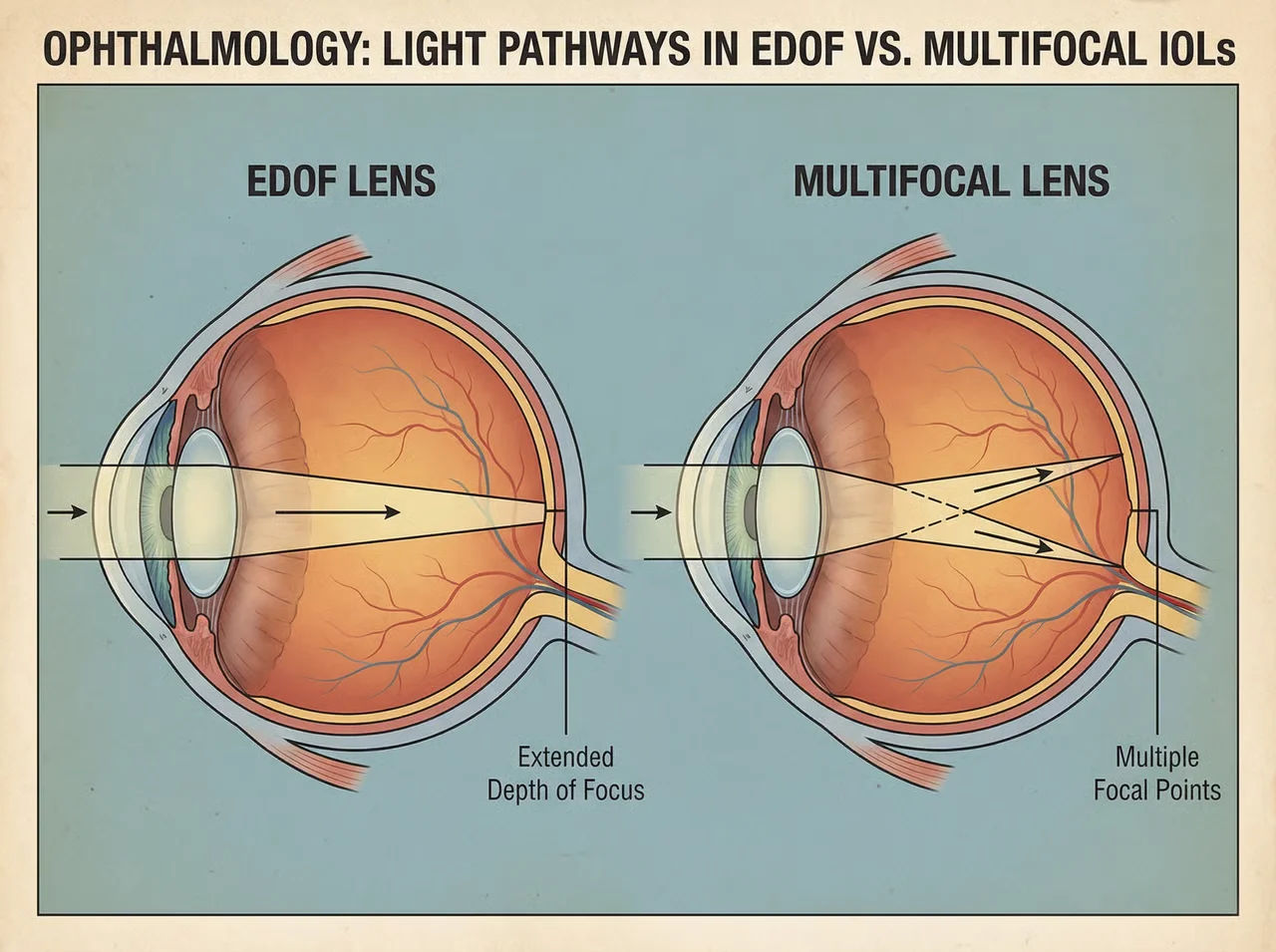
How EDOF Lenses Are Different
- Extend the depth of focus
- Do not aggressively split light
- Maintain better contrast sensitivity
Do EDOF Lenses Cause Halos?
- Mild
- Temporary
- Less frequent than multifocal lenses
Are EDOF Lenses Good for Night Driving?
- Better contrast
- Reduced starbursts
- More natural visual experience
- Greater comfort during highway driving
Does Dry Eye Increase Glare?
- Increase light scatter
- Worsen night glare
- Reduce visual clarity
Do Halos Improve Over Time?
- Ignore unwanted light effects
- Improve visual comfort
- Adjust to new optical patterns
How Dr. Nikhil Nasta Chooses the Right Lens
- Detailed lifestyle discussion
- Night driving frequency assessment
- Corneal mapping
- Tear film evaluation
- Patient expectation counselling
Want our latest updates?
Add iSight Eye Care as a preferred source on Google to see our newest articles in your Top Stories and AI Overviews.
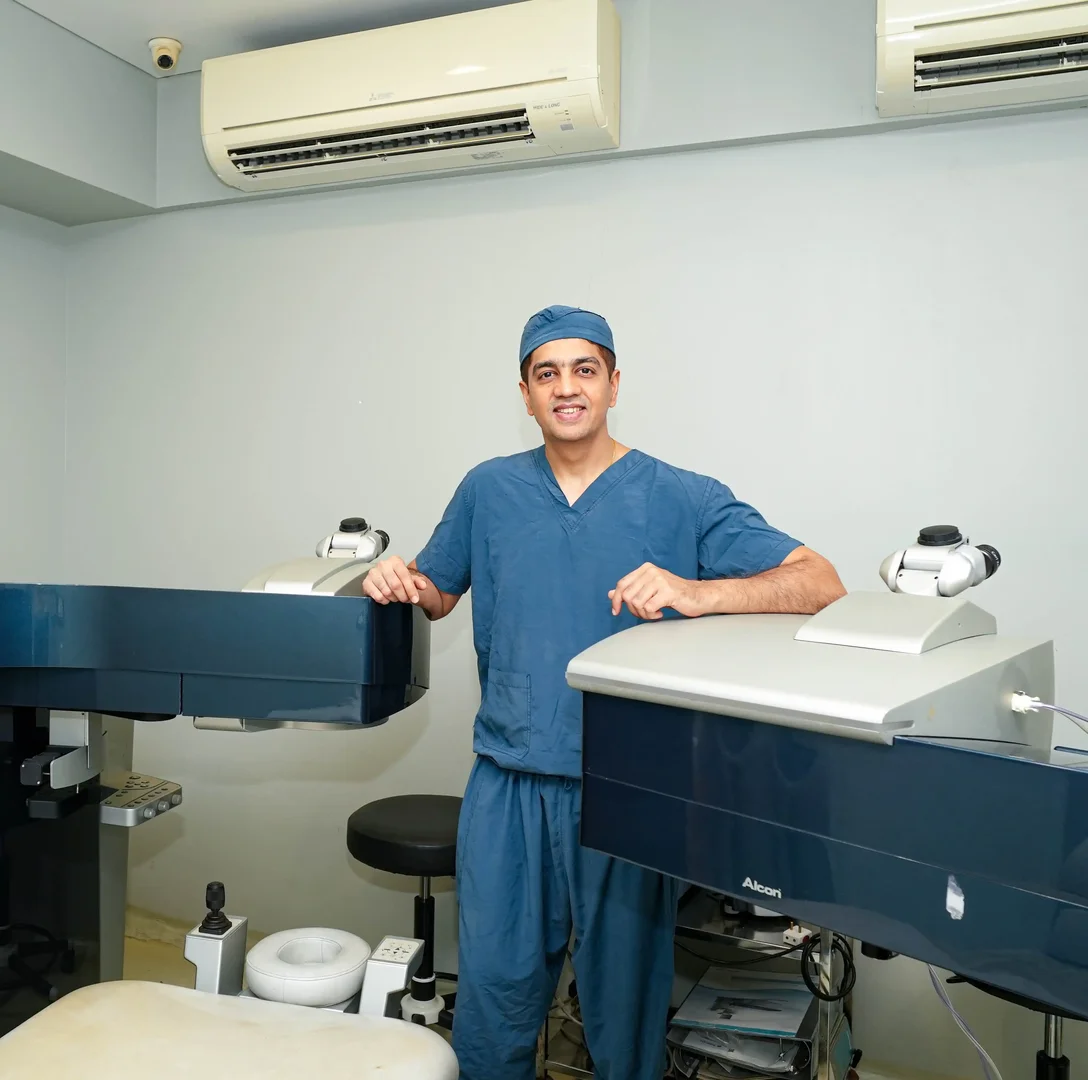
Dr. Nikhil Nasta
Dr. Nikhil Nasta is the Founder & Lead Surgeon at iSight Eye Care. With over two decades of experience, he specializes in advanced cataract surgery and comprehensive eye care, dedicated to restoring vision and improving patients' quality of life.
Related articles
Top Advantages of EDOF IOL Over Multifocal Lenses
According to Dr. Nikhil Nasta of I-Sight Eye Care, Mumbai, EDOF intraocular lenses offer smoother vision, fewer visual disturbances, and better contrast.
EDOF IOL vs Trifocal IOL: Which Is Better After Cataract Surgery?
According to Dr. Nikhil Nasta of I-Sight Eye Care, EDOF IOLs are better for patients who prioritise visual comfort, while trifocal IOLs suit those wanting maximum near vision independence.
EDOF IOL Surgery in Mumbai
EDOF IOLs represent one of the most advanced solutions for people who want a smooth range of vision without the typical halos associated with older multifocal designs.
Advantages of EDOF IOL Lenses
Extended depth of focus lenses known as EDOF IOLs are one of the most significant advances in modern cataract surgery. Learn about their advantages.
Frequently Asked Questions
Book an appointment with Dr. Nikhil Nasta
Khar & Dadar · NABH accredited
Disclaimer: This information is for educational purposes only. Individual cases vary; consult a specialist for personalized advice.