
Is LASIK Safe? Risks, Side Effects, and Realistic Expectations
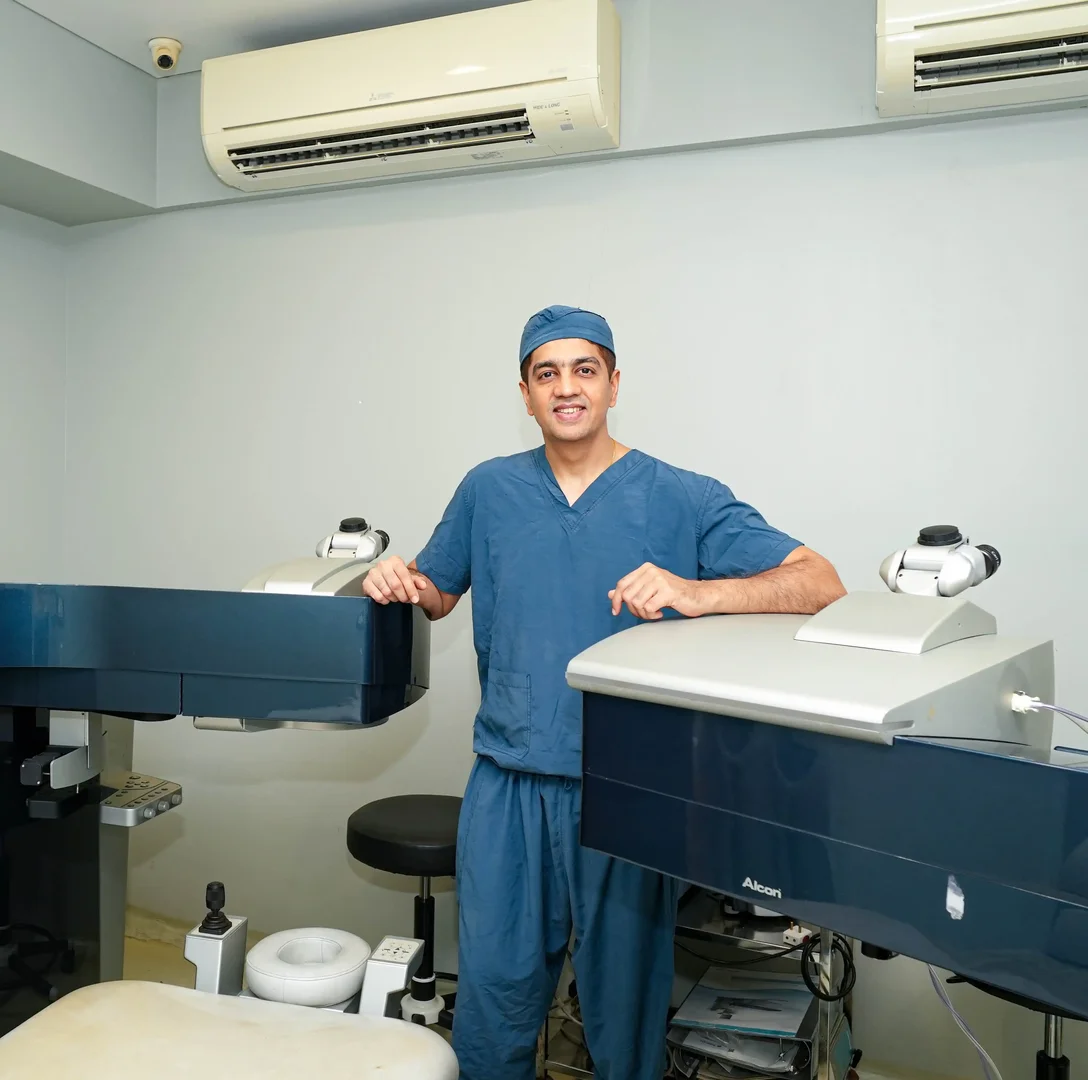
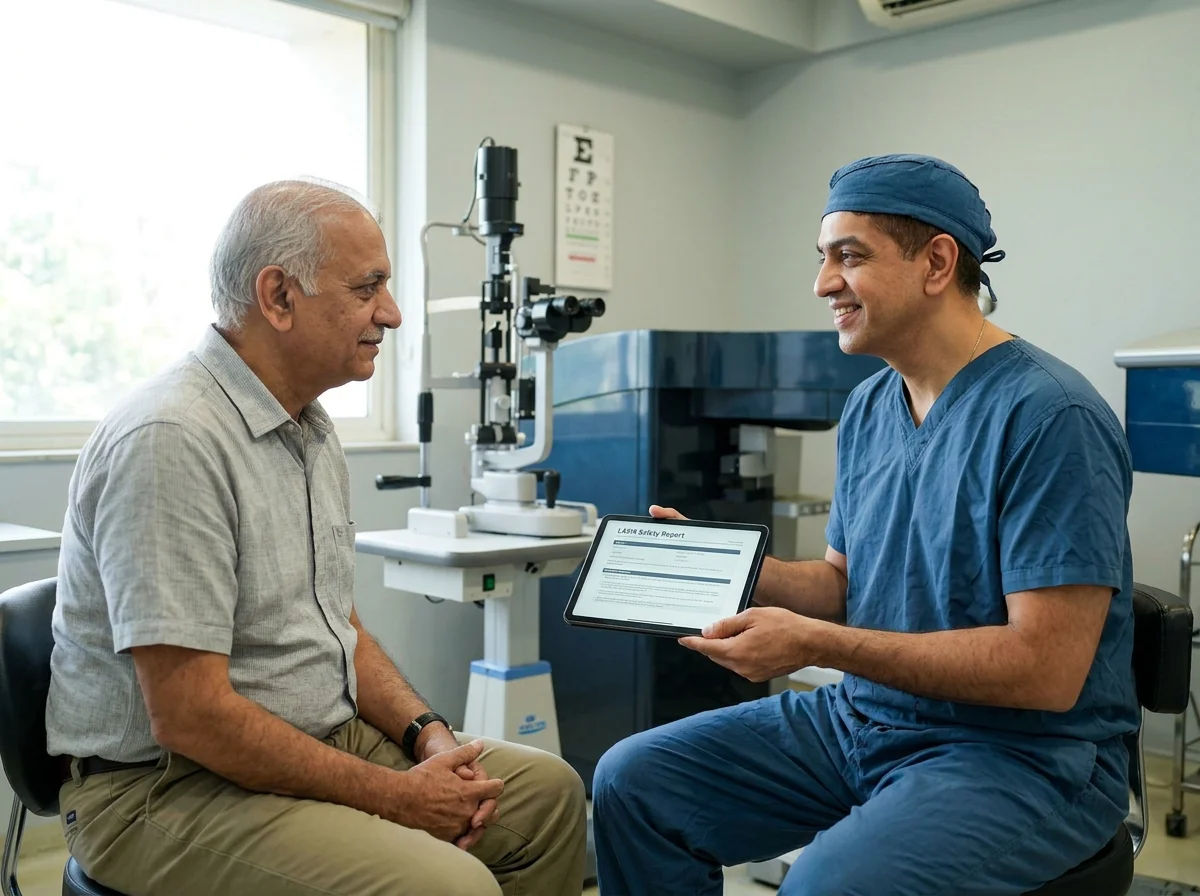
Short Answer
Why Patients Worry About Safety
Safety Depends on Pre-LASIK Screening
- Corneal topography/tomography to rule out weak or irregular corneas
- Corneal thickness measurement to preserve a safe residual bed
- Tear film and meibomian gland assessment for dry-eye risk
- Pupil size and aberration profile for night vision planning
- Retinal exam in high myopia patients
Common Temporary Side Effects
- Dryness, foreign-body sensation, or mild fluctuation in vision
- Halos or glare in low light during early healing
- Light sensitivity for a short period
- Mild redness or irritation after surgery
Less Common but Important Risks
How Clinics Reduce Risk
- Use of modern eye-tracking lasers and personalized treatment profiles
- Avoiding LASIK in borderline corneas and offering PRK/ICL instead
- Treating dry eye before surgery
- Clear postoperative follow-up protocol with medication adherence
Realistic Expectations vs Marketing Claims
When You Should Pause and Re-Evaluate
Final Takeaway
Want our latest updates?
Add iSight Eye Care as a preferred source on Google to see our newest articles in your Top Stories and AI Overviews.
Dr. Nikhil Nasta
Dr. Nikhil Nasta is the Founder & Lead Surgeon at iSight Eye Care. With over two decades of experience, he specializes in advanced cataract surgery and comprehensive eye care, dedicated to restoring vision and improving patients' quality of life.
Related articles
Best LASIK Surgery in Mumbai – Choosing the Right Eye Surgeon
Mumbai offers world-class LASIK and laser eye surgery options—Contoura, SMILE, PRK, and ICL are all available. The best eye doctor in Mumbai is one who matches your eye condition with the safest treatment.
Is LASIK Safe After the Age of 40?
According to Dr. Nikhil Nasta of I-Sight Eye Care, LASIK can be safe after 40, but candidacy depends on eye power stability, corneal health, and dry eye status.
LASIK Surgery in Bandra
If you are searching for LASIK surgery in Bandra, you are not alone. Bandra has become one of Mumbai’s most sought after areas for advanced eye care.
LASIK in Khar & Laser Eye Surgery in Mumbai
Looking for safe and effective LASIK in Khar or laser eye surgery in Mumbai? Here’s everything you need to know about eligibility, cost, procedure, and recovery.
Frequently Asked Questions
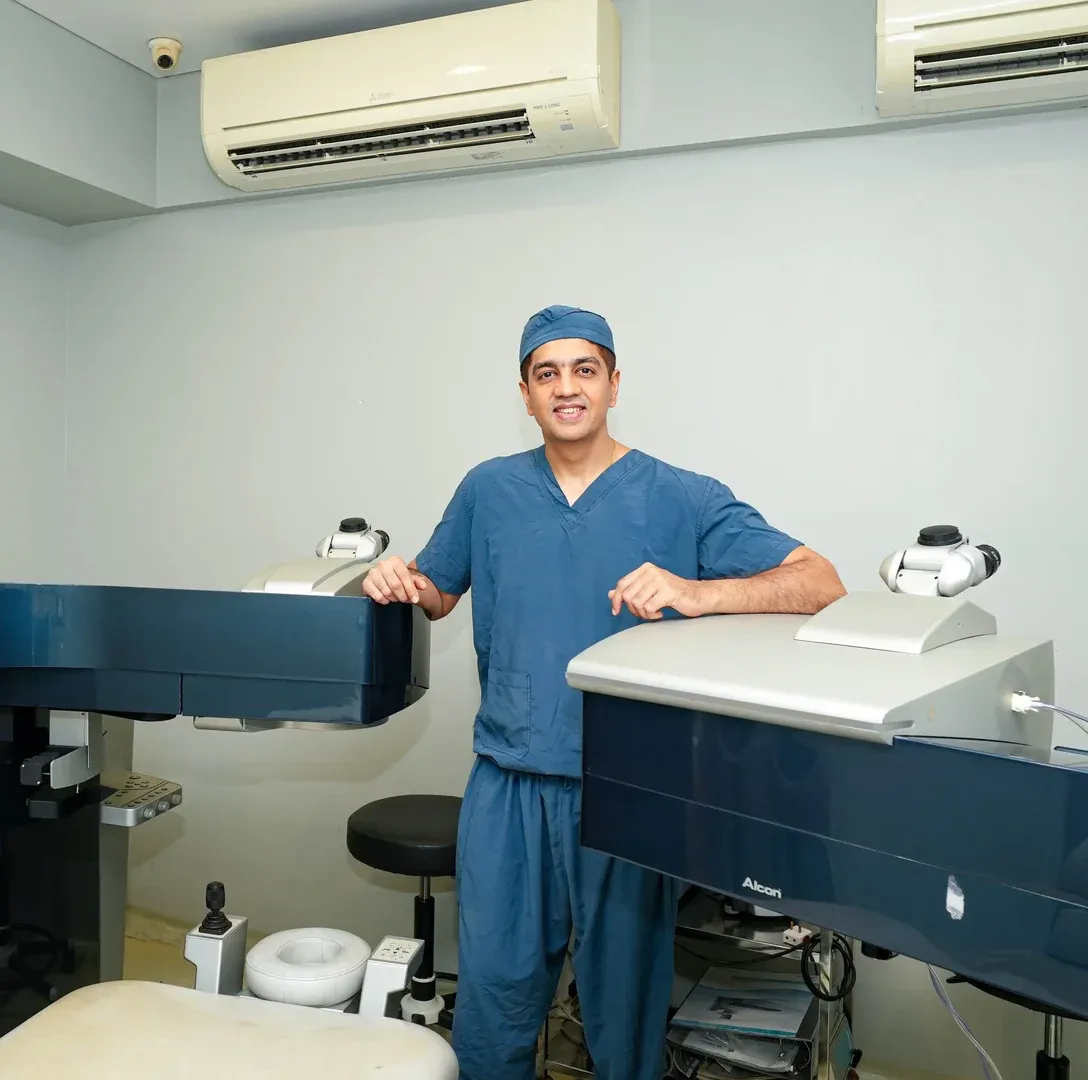
Book an appointment with Dr. Nikhil Nasta
Khar & Dadar · NABH accredited
Disclaimer: This information is for educational purposes only. Individual cases vary; consult a specialist for personalized advice.