
Is Phaco Cataract Surgery Safe for Elderly Patients?
What Makes Phaco Surgery Safe for the Elderly?
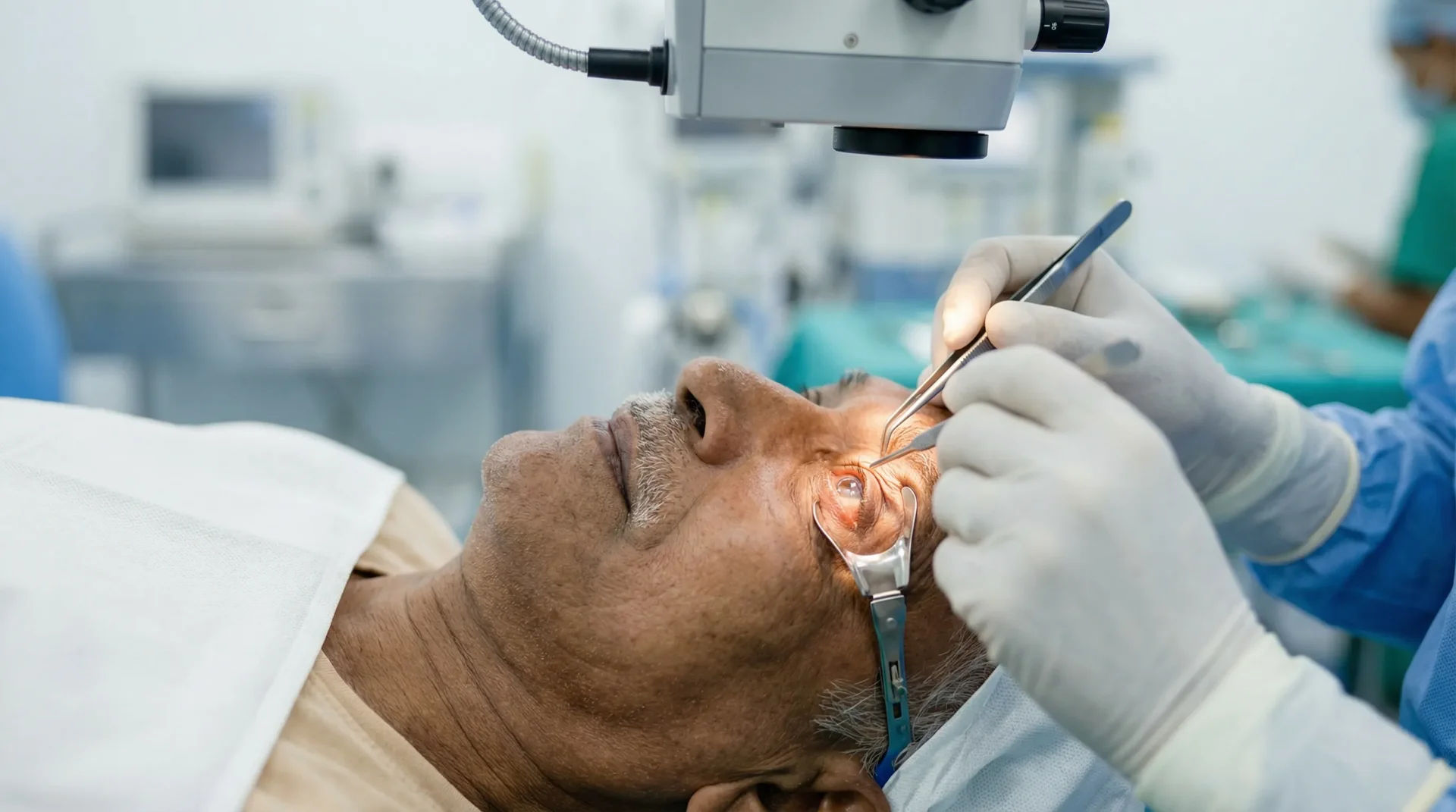
- Micro-incision technique
- Minimal anesthesia requirement
- Short surgical time
- Lower systemic stress
- Rapid visual rehabilitation
Detailed Pre-Surgery Evaluation
- Detailed eye examination: Cataract density, corneal health, retina and optic nerve evaluation.
- Systemic medical review: Blood pressure, diabetes control, cardiac status, thyroid conditions.
- Advanced diagnostic testing: Biometry for accurate lens power, corneal topography, OCT retina scan when required.
Is Anesthesia Safe for Elderly Patients?
- Does not require general anesthesia
- Is performed under topical or local anesthesia
- Does not affect breathing or heart function
Duration of Surgery and Physical Stress
- Minimal physical strain
- Stable vital signs
- Lower cardiovascular stress
Safety Profile of Phaco Surgery in Elderly
- Very low complication rates
- Excellent visual recovery
- Minimal post-operative inflammation
Is Phaco Surgery Safe After Age 70 or 80?
- Aged 70+
- Aged 80+
- With controlled diabetes
- With controlled hypertension
Lens Options
- Monofocal lenses: Ideal for clear distance vision.
- Toric lenses: Correct pre-existing astigmatism.
- Multifocal lenses: Reduce dependence on glasses.
Recovery in Elderly Patients
- Vision improves within days
- Minimal pain or discomfort
- Low dependency on caregivers
- Quick return to routine activities
What Are the Risks in Elderly Patients?
- Infection
- Inflammation
- Eye pressure changes
- Delayed healing in uncontrolled diabetes
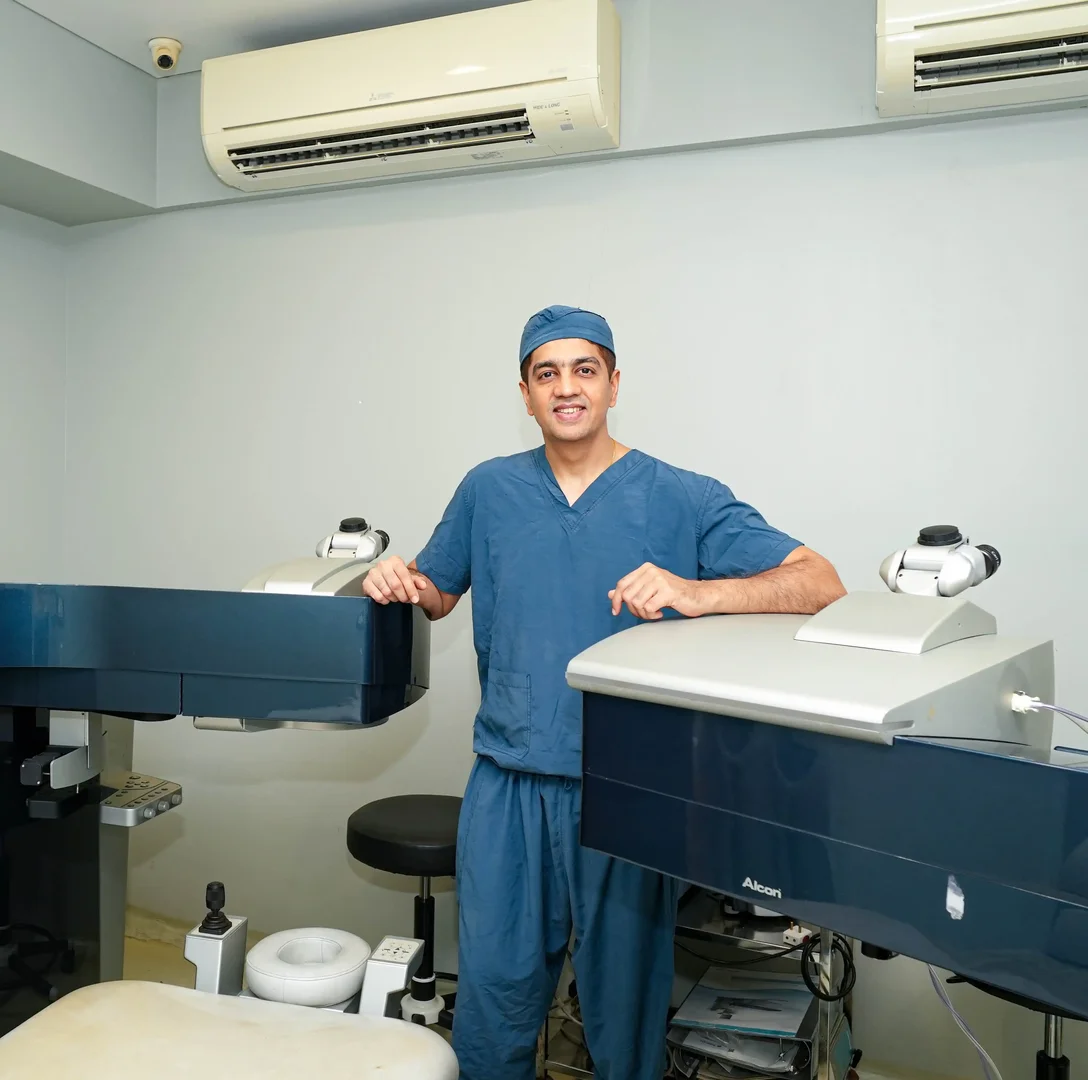
Why Dr. Nikhil Nasta Is Trusted for Elderly Cataract Surgery
- Extensive experience with elderly patients
- Evidence-based surgical planning
- Advanced phaco technology
- Conservative and safe approach
- Clear communication with families
Want our latest updates?
Add iSight Eye Care as a preferred source on Google to see our newest articles in your Top Stories and AI Overviews.
Dr. Nikhil Nasta
Dr. Nikhil Nasta is the Founder & Lead Surgeon at iSight Eye Care. With over two decades of experience, he specializes in advanced cataract surgery and comprehensive eye care, dedicated to restoring vision and improving patients' quality of life.
Related articles
Phaco Surgery in Mumbai
Cataracts are one of the most common reasons for blurred, cloudy vision as we age. Phaco surgery is a modern micro-incision technique for cataract removal.
Who Is the Ideal Candidate for Phaco Cataract Surgery?
The ideal candidate for phaco cataract surgery is someone whose cataract is affecting daily vision, has a healthy cornea and retina, and can benefit from small-incision surgery.
Cataract Surgery Recovery – Timeline & Aftercare Tips
Most people resume daily activities within 1–3 days after cataract surgery, but full healing takes 4–6 weeks. Learn about the recovery timeline and aftercare tips.
Robotic Cataract Surgery in Mumbai – Complete Guide
Robotic cataract surgery uses laser guidance for unmatched accuracy in lens removal and implant placement. Learn everything you need to know about robotic cataract surgery in Mumbai.
Frequently Asked Questions
Book an appointment with Dr. Nikhil Nasta
Khar & Dadar · NABH accredited
Disclaimer: This information is for educational purposes only. Individual cases vary; consult a specialist for personalized advice.