iSight Eye Care

Phaco Cataract Surgery Myths versus Facts
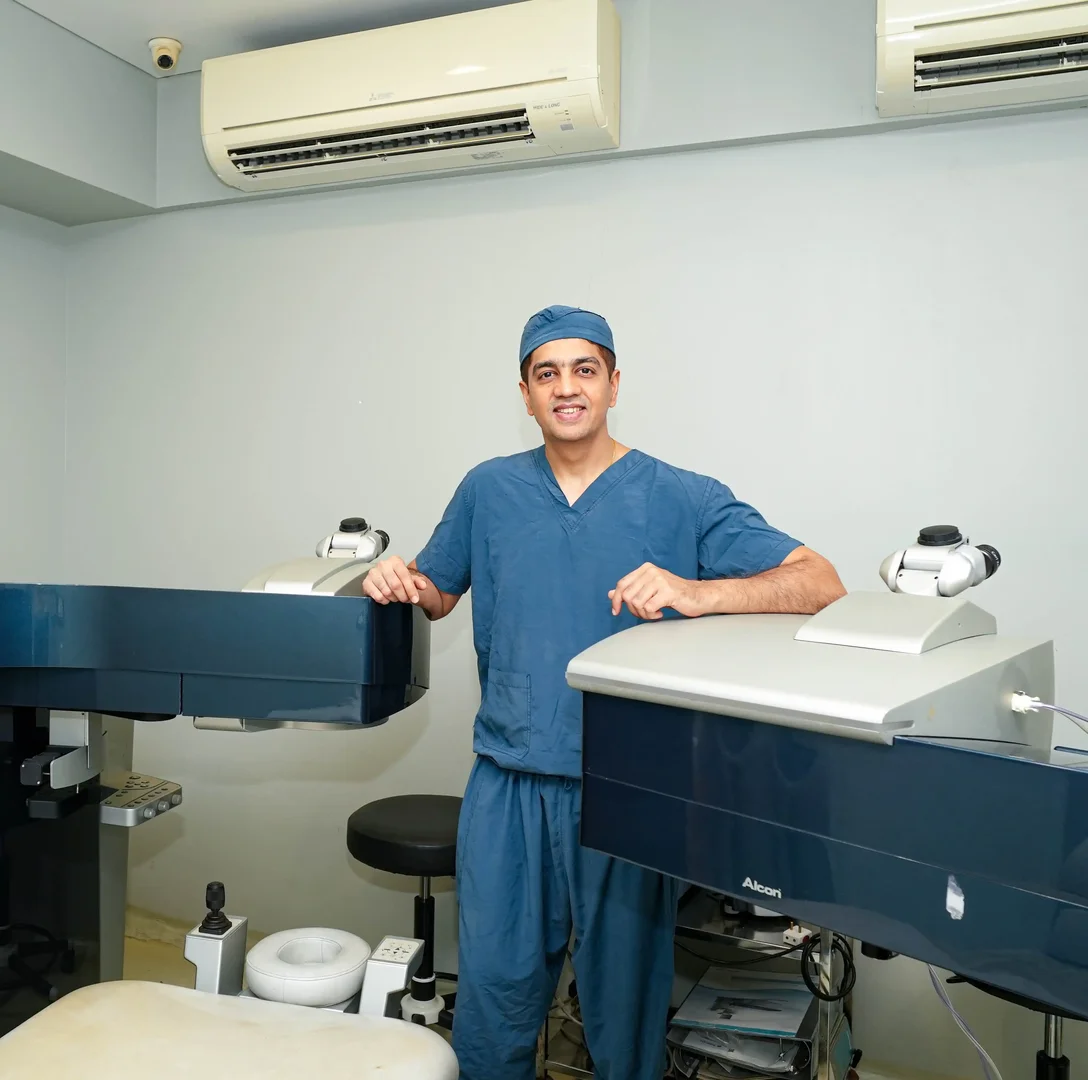
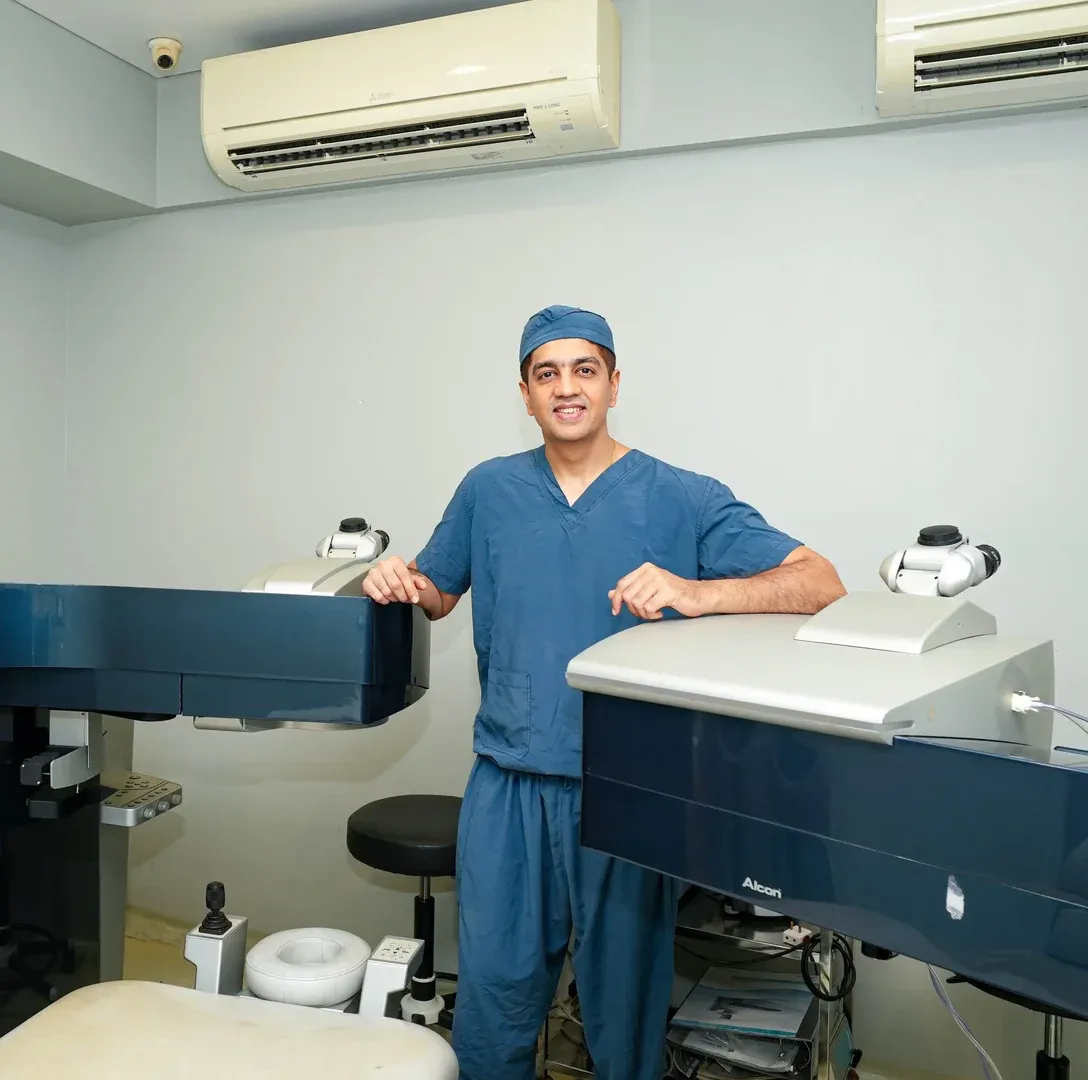
Dr. Nikhil Nasta
Dr. Nikhil Nasta
3 min read
Phaco Cataract Surgery Myths versus Facts

Introduction

Phaco cataract surgery is one of the safest and most successful eye procedures performed today. Despite this, many patients still feel anxious because of things they have heard from friends, relatives or outdated sources online. Misinformation can delay treatment and sometimes even cause avoidable vision loss when cataracts become too advanced. This guide clears up the most common myths and explains the truth behind modern phaco surgery, based on real clinical practice standards followed in centres offering advanced cataract surgery in Mumbai.

Myth 1: Phaco requires a large cut in the eye

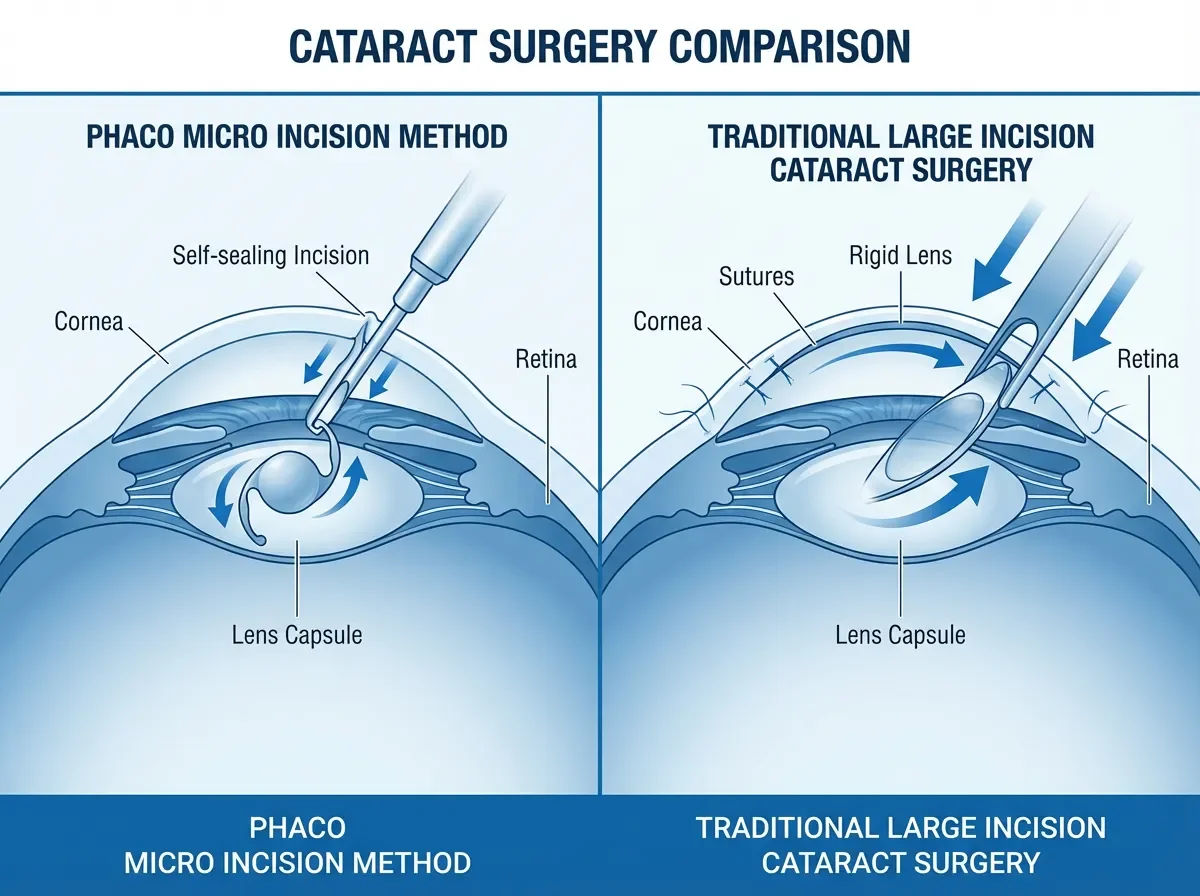
Fact: Phaco uses a tiny two to three millimeter micro-incision.
Older methods involved larger cuts that required stitches. Phaco is a micro-incision technique that allows the cataract to be broken using ultrasound and removed through a very small opening. The incision usually seals on its own without stitches. This is why healing is quicker and visual clarity returns sooner.

Myth 2: Ultrasound energy in phaco can damage the eye

Fact: The energy used is controlled and extremely precise.
Modern phaco machines deliver ultrasound in a safe, pulsed manner that reduces heat and protects the surrounding tissues. Fluidics systems balance pressure and maintain chamber stability during the entire procedure. Phaco has been refined over decades and is globally considered the safest standard for cataract removal.

Myth 3: Phaco cannot correct glasses power

Fact: Phaco is actually the best platform for reducing glasses dependency.
Because phaco removes the cloudy natural lens, it allows the placement of a perfectly calculated artificial lens called an IOL. These lenses can correct distance power, cylinder, intermediate vision, near vision or all three, depending on the lens type. Premium lenses available include:
  • Multifocal IOLs
  • EDOF IOLs
  • Trifocal IOLs
This means many patients achieve excellent clarity with significantly reduced need for glasses.

Myth 4: Phaco is only for early cataracts

Fact: Phaco works for early, moderate and even advanced cataracts.
In the past, very dense cataracts sometimes required larger manual incisions. Today, with improved phaco technology and fluidics, surgeons successfully treat a wide range of cataracts through micro-incisions. If the cataract is extremely mature, the surgeon may modify the technique slightly or choose a combined approach after examination. But phaco remains the preferred method for the vast majority of patients.

Myth 5: Phaco recovery is long and painful

Fact: Most patients resume normal activities within a few days.
Because the incision is tiny and no stitches are used, pain is minimal. Most patients describe mild irritation or light sensitivity in the first twenty-four hours. Vision begins improving almost immediately.

Myth 6: Phaco is not safe for older patients

Fact: Age is not a barrier to phacoemulsification.
Older patients often benefit the most, as cataracts naturally progress with age. As long as the general health of the eye is good and systemic conditions like blood pressure and diabetes are well controlled, phaco is safe even in very elderly individuals. Surgeons who also manage complex cases including retinal surgery and corneal transplant surgery are well equipped to treat cataracts in high risk eyes.

Myth 7: Only monofocal lenses can be implanted with phaco

Fact: Phaco supports the entire spectrum of modern IOL technology.
Phaco is the ideal method for implanting premium lenses. Patients seeking maximum clarity at all distances often choose multifocal, EDOF or trifocal lenses.

Myth 8: Phaco results vary a lot between surgeons

Fact: Experienced surgeons using advanced platforms deliver highly consistent and predictable results. A specialist’s skill in calculating the exact lens power and handling complex cases makes a significant difference.

Conclusion

Phaco cataract surgery is safe, predictable and highly refined. Most myths associated with it come from outdated information or confusion with older techniques. Understanding the real facts helps you make confident, well-informed decisions about your eye health. If you have symptoms like cloudy vision, glare or difficulty with night driving, it may be time to consider cataract evaluation. You can schedule a consultation at: Consult
Share this article:
Dr. Nikhil Nasta

Dr. Nikhil Nasta

Dr. Nikhil Nasta is the Founder & Lead Surgeon at iSight Eye Care. With over two decades of experience, he specializes in advanced cataract surgery and comprehensive eye care, dedicated to restoring vision and improving patients' quality of life.

Dr. Nikhil Nasta – Ophthalmologist, iSight Eye Care Mumbai
Schedule a visit

Book an appointment with Dr. Nikhil Nasta

Khar & Dadar · NABH accredited

Disclaimer: This information is for educational purposes only. Individual cases vary; consult a specialist for personalized advice.