
When is Cataract Surgery Necessary? A Guide for Mumbai Patients
You Don't Always Need Surgery Immediately
Signs That It's Time for Cataract Surgery
- Night driving feels unsafe because of glare, starbursts or halos around headlights
- Reading, television or phone screens stay hazy even with a new prescription
- Faces are harder to recognise across a room
- Colours look yellowed, dull or washed out — people often notice this only after the first eye is done
- Glasses keep changing and still do not restore useful vision
- You are tripping, missing steps, or avoiding going out after dusk
- The cataract is blocking the view of the retina, so diabetes or glaucoma cannot be monitored properly
- You need refractive or retinal surgery that cannot be planned through a dense lens
Why Waiting Too Long Is Also a Problem
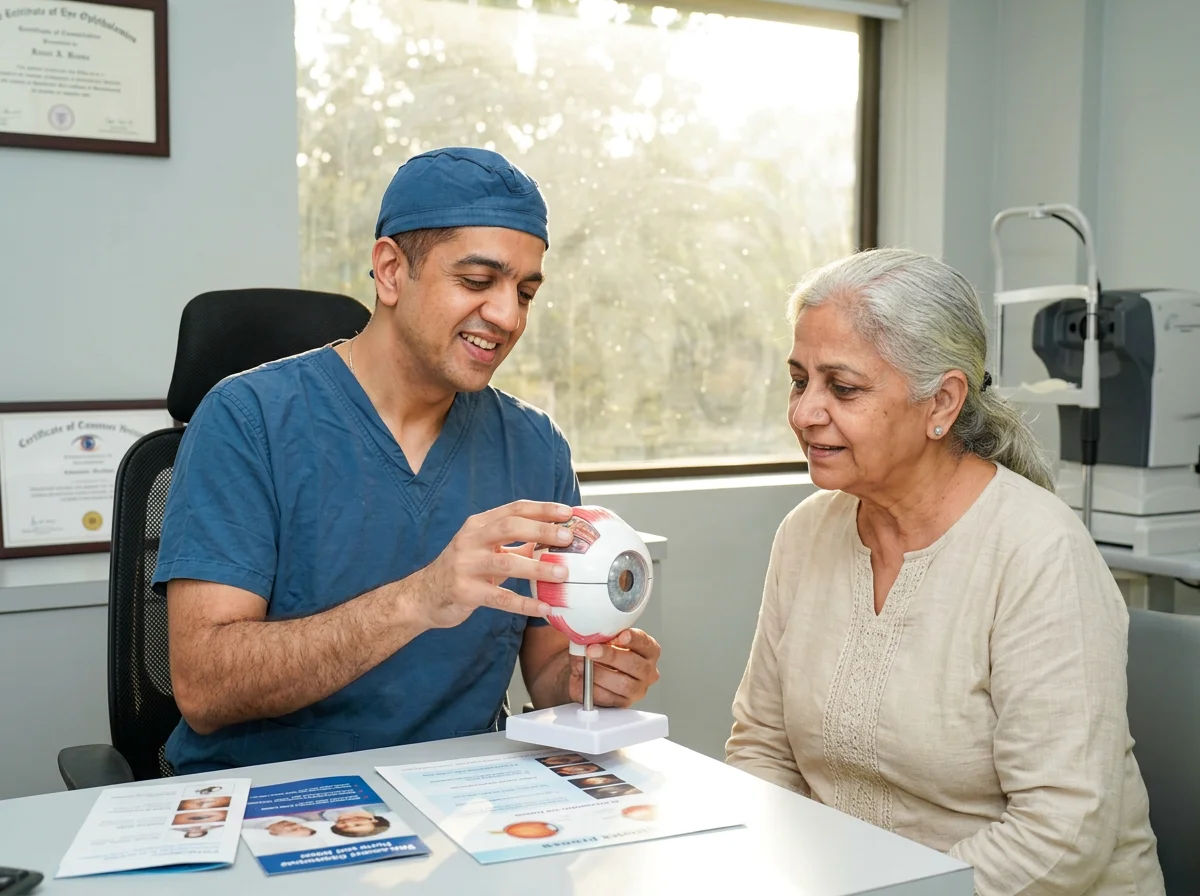
The Decision Is Yours — With a Clear Work-Up
- A dilated exam to grade the cataract and check the retina and optic nerve
- Biometry to measure the eye for IOL power
- A discussion of monofocal, toric, EDOF and trifocal lens options against your hobbies, night driving and willingness to accept halos
- Systemic issues: diabetes control, blood thinners, and whether both eyes will be done on separate days
- A written sense of what 'success' means for you — glasses for reading, glasses for distance, or as much independence as your cornea and macula allow
What Modern Surgery Looks Like
Advanced Cataract Solutions in Mumbai
Want our latest updates?
Add iSight Eye Care as a preferred source on Google to see our newest articles in your Top Stories and AI Overviews.
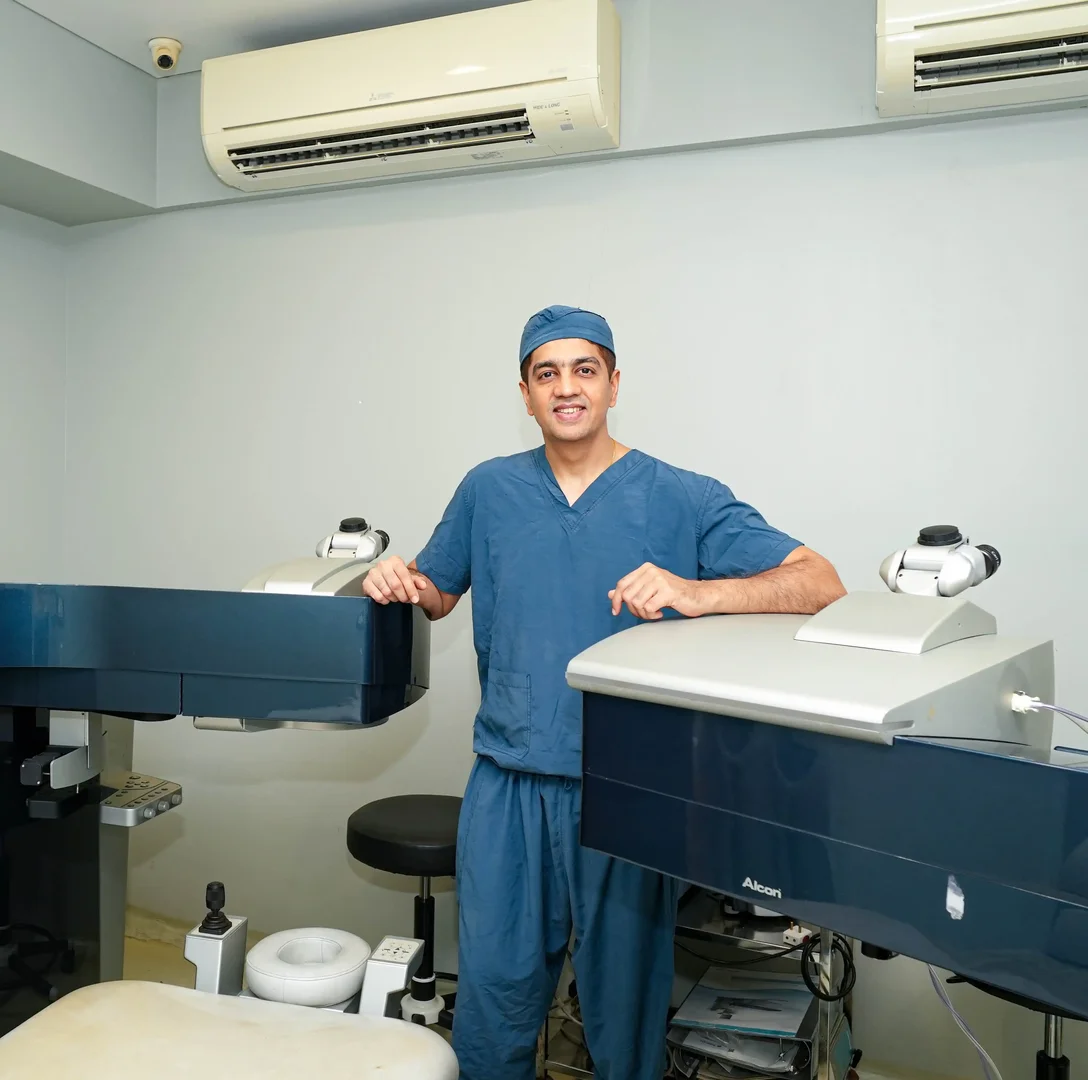
Dr. Nikhil Nasta
Dr. Nikhil Nasta is the Founder & Lead Surgeon at iSight Eye Care. With over two decades of experience, he specializes in advanced cataract surgery and comprehensive eye care, dedicated to restoring vision and improving patients' quality of life.
Related articles
Phaco Surgery in Mumbai
Cataracts are one of the most common reasons for blurred, cloudy vision as we age. Phaco surgery is a modern micro-incision technique for cataract removal.
Who Is the Ideal Candidate for Phaco Cataract Surgery?
The ideal candidate for phaco cataract surgery is someone whose cataract is affecting daily vision, has a healthy cornea and retina, and can benefit from small-incision surgery.
Cataract Surgery Recovery – Timeline & Aftercare Tips
Most people resume daily activities within 1–3 days after cataract surgery, but full healing takes 4–6 weeks. Learn about the recovery timeline and aftercare tips.
Robotic Cataract Surgery in Mumbai – Complete Guide
Robotic cataract surgery uses laser guidance for unmatched accuracy in lens removal and implant placement. Learn everything you need to know about robotic cataract surgery in Mumbai.
Frequently Asked Questions
Book an appointment with Dr. Nikhil Nasta
Khar & Dadar · NABH accredited
Disclaimer: This information is for educational purposes only. Individual cases vary; consult a specialist for personalized advice.