
Pediatric Eye Care in Mumbai

Key Takeaways
- Pediatric eye problems like squint, lazy eye, or refractive errors are common but many are treatable if caught early.
- Routine eye exams for children can detect vision issues before they impact school performance or development.
- Treatments range from glasses, patching, vision therapy, to surgeries for squint or congenital cataracts.
- Pediatric ophthalmologists use child-friendly, specialized tests that differ from adult eye exams.
- Early detection = better outcomes: untreated lazy eye after age 7–8 is often irreversible.
Introduction
Common Pediatric Eye Conditions
Refractive Errors (Glasses Power)
Amblyopia (Lazy Eye)
Strabismus (Squint)
Congenital Cataract
Allergic Conjunctivitis
When Should Children Get an Eye Check?
- At birth (by pediatrician/ophthalmologist if risk factors exist)
- At 6 months, 3 years, and before school
- Every 1–2 years thereafter (more often if family history of eye problems)
Treatments in Pediatric Ophthalmology
- Glasses: For refractive errors
- Patching therapy: For lazy eye
- Vision therapy exercises: To strengthen weak eyes
- Surgery: For squint correction or congenital cataracts
- Child-friendly diagnostics: Non-verbal acuity charts, cycloplegic refraction, and retina checks
Why Early Detection Matters
Conclusion
Want our latest updates?
Add iSight Eye Care as a preferred source on Google to see our newest articles in your Top Stories and AI Overviews.
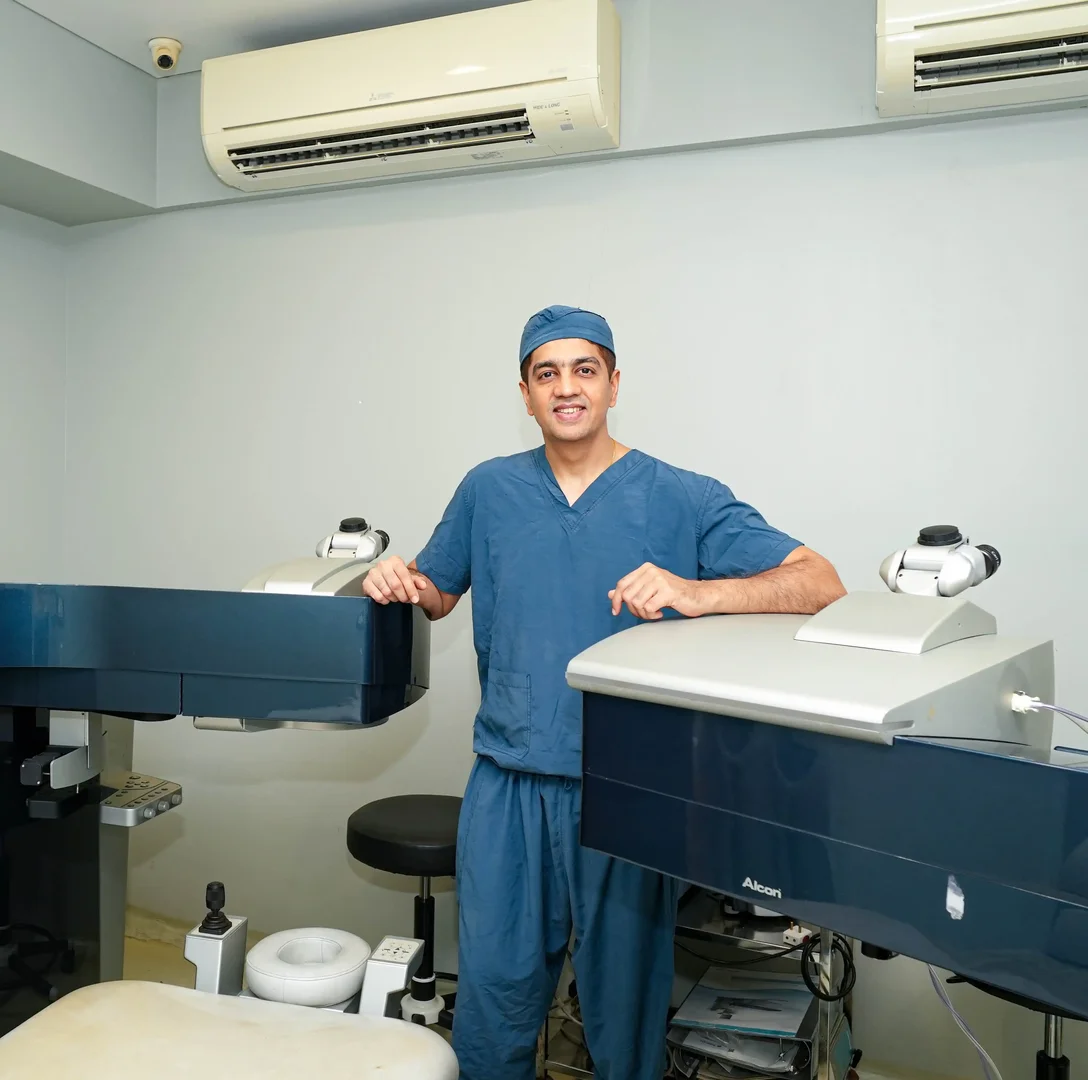
Dr. Nikhil Nasta
Dr. Nikhil Nasta is the Founder & Lead Surgeon at iSight Eye Care. With over two decades of experience, he specializes in advanced cataract surgery and comprehensive eye care, dedicated to restoring vision and improving patients' quality of life.
Related articles
How Often Should a Child’s Eyes Be Checked?
Learn the ideal eye check-up schedule for children, early warning signs of vision problems, and when to see a pediatric eye specialist in Mumbai.
The Complete Guide to Kids’ Eye Check-Ups: How to Protect Vision
1 in 5 children has an undiagnosed vision issue. Early kids’ eye check-ups can detect problems like myopia, squint, or lazy eye before they cause permanent changes.
Pediatric Eye Doctor India: 12 Signs Your Child Needs an Eye Exam
A child should visit a pediatric eye doctor if they show signs such as squinting, excessive blinking, headaches, or difficulty seeing the board.
Pediatric Eye Care in Mumbai: Early Eye Checks
Early eye exams detect problems like myopia, lazy eye, and squint before they affect learning. Learn why early checks are essential.
Frequently Asked Questions
Book an appointment with Dr. Nikhil Nasta
Khar & Dadar · NABH accredited
Disclaimer: This information is for educational purposes only. Individual cases vary; consult a specialist for personalized advice.